In today’s technology-driven world, energy efficiency has become a crucial factor in the design of electronic devices and systems. One such component that plays a significant role in minimizing energy consumption is the low-power relay. These relays are specifically designed to operate with minimal power consumption, making them ideal for battery-powered systems, wireless devices, and any application where energy efficiency is a priority. This article delves into the working principles, features, applications, and benefits of low-power relays, highlighting their importance in modern technology.
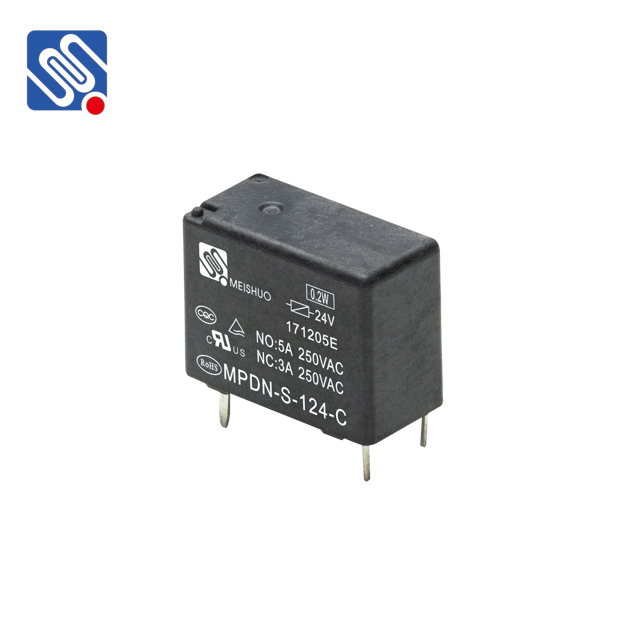
What is a Low-Power Relay? A relay is an electrically operated switch used to control circuits with a low-power signal. It works by using an electromagnet to open or close a set of contacts, which in turn controls the flow of electricity in the circuit. A low-power relay functions similarly to a standard relay, but it requires significantly less electrical power to operate, especially in the coil. This reduced power consumption is achieved through specialized design, allowing low-power relays to be used in systems where conserving battery life and minimizing energy waste are crucial. How Do Low-Power Relays Work?