In any industrial or manufacturing setting, safety is paramount. One of the key components in ensuring the safety of workers when maintaining or servicing equipment is the proper use of equipment lockout tags. These tags are an essential part of the Lockout/Tagout (LOTO) procedures, which are designed to prevent accidental machine starts or releases of hazardous energy during maintenance. In this article, we will explore what equipment lockout tags are, how they are used, and why they are critical to workplace safety.
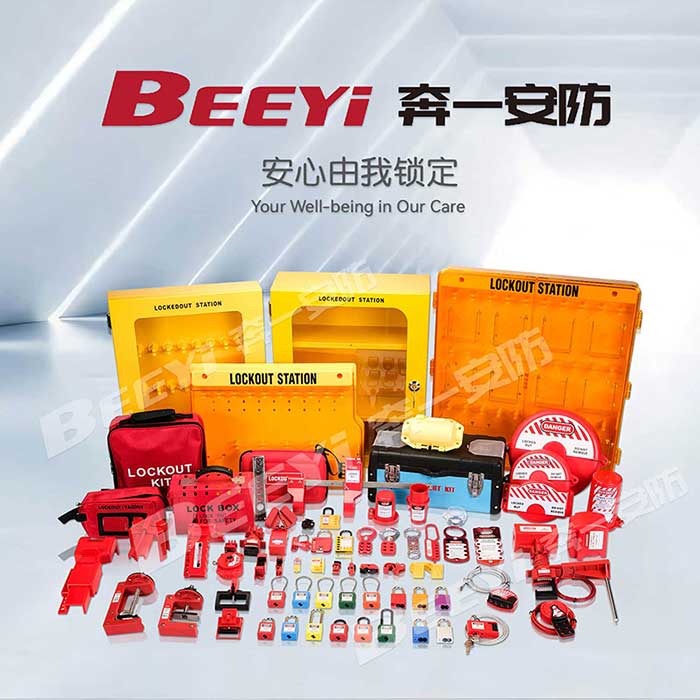
What Are Equipment Lockout Tags? Equipment lockout tags are safety devices used to warn workers that a particular piece of equipment has been locked out and is not to be operated. These tags are typically attached to the equipment’s energy-isolating devices (e.g., circuit breakers, valves, or switches) and work in tandem with lockout devices that physically prevent the equipment from being turned on. The purpose of these tags is clear: they serve as a visible and unmistakable alert to anyone that the equipment is under maintenance or repair, and therefore, should not be operated under any circumstances. The lockout tag itself is generally brightly colored (usually red or fluorescent yellow) and includes essential information such as the name of the person responsible for the lockout, the reason for the lockout, and the date and time it was applied.