The solenoid valve for liquid control is a vital component in various industrial and commercial systems, used primarily to regulate the flow of liquids with precision and efficiency. As part of automation and control systems, these valves allow for the automated control of fluid flow, improving system reliability, efficiency, and safety. This article will delve into the working principle, types, features, and applications of solenoid valves, offering an in-depth understanding of their significance in liquid control.
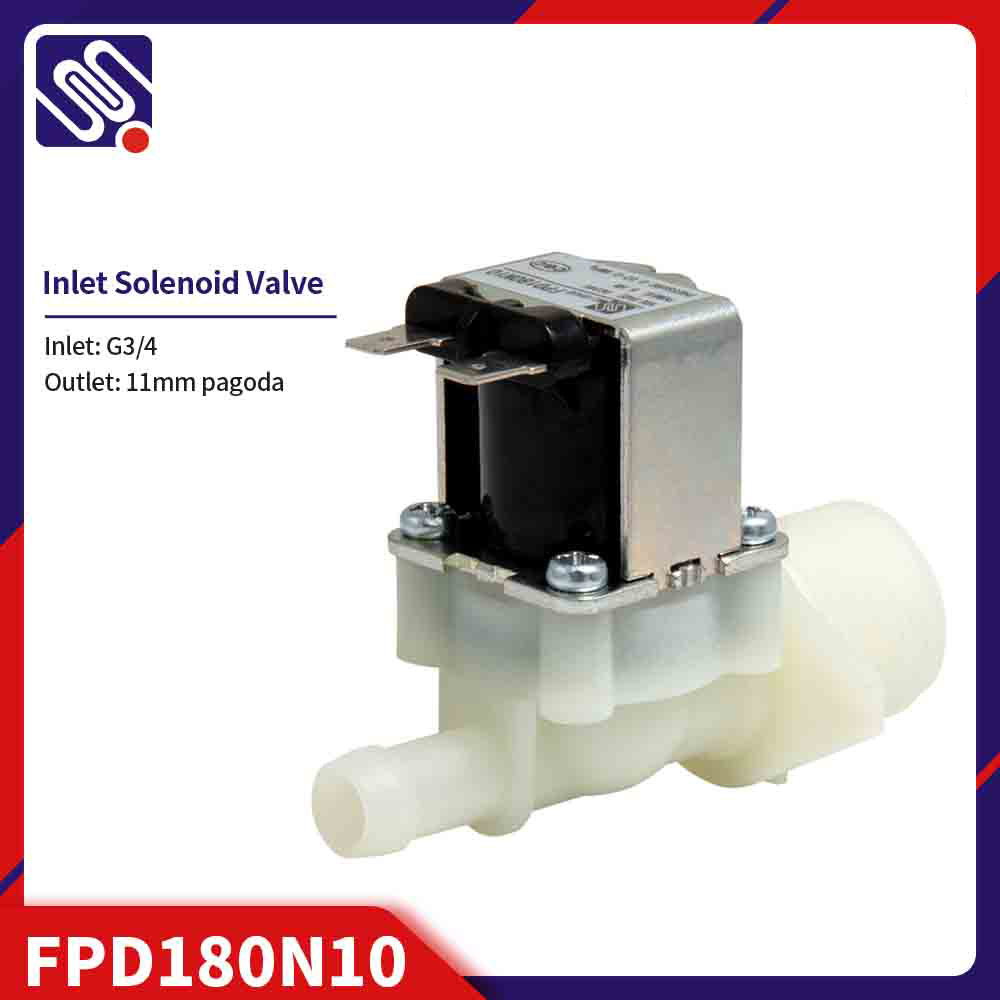
What is a Solenoid Valve for Liquid Control? A solenoid valve for liquid control is an electromechanical device used to control the flow of liquids in a system. It consists of a solenoid coil and a valve body, with a movable armature or plunger that opens or closes the valve when the solenoid coil is energized or de-energized. The solenoid valve is typically controlled by an electric signal, allowing it to function automatically and remotely in a wide range of applications. When an electric current passes through the solenoid coil, a magnetic field is generated, attracting the armature and causing the valve to open. Once the electrical current is turned off, the magnetic field collapses, and a spring returns the armature to its initial position, closing the valve. This simple yet effective mechanism makes solenoid valves ideal for liquid control in a variety of industries.