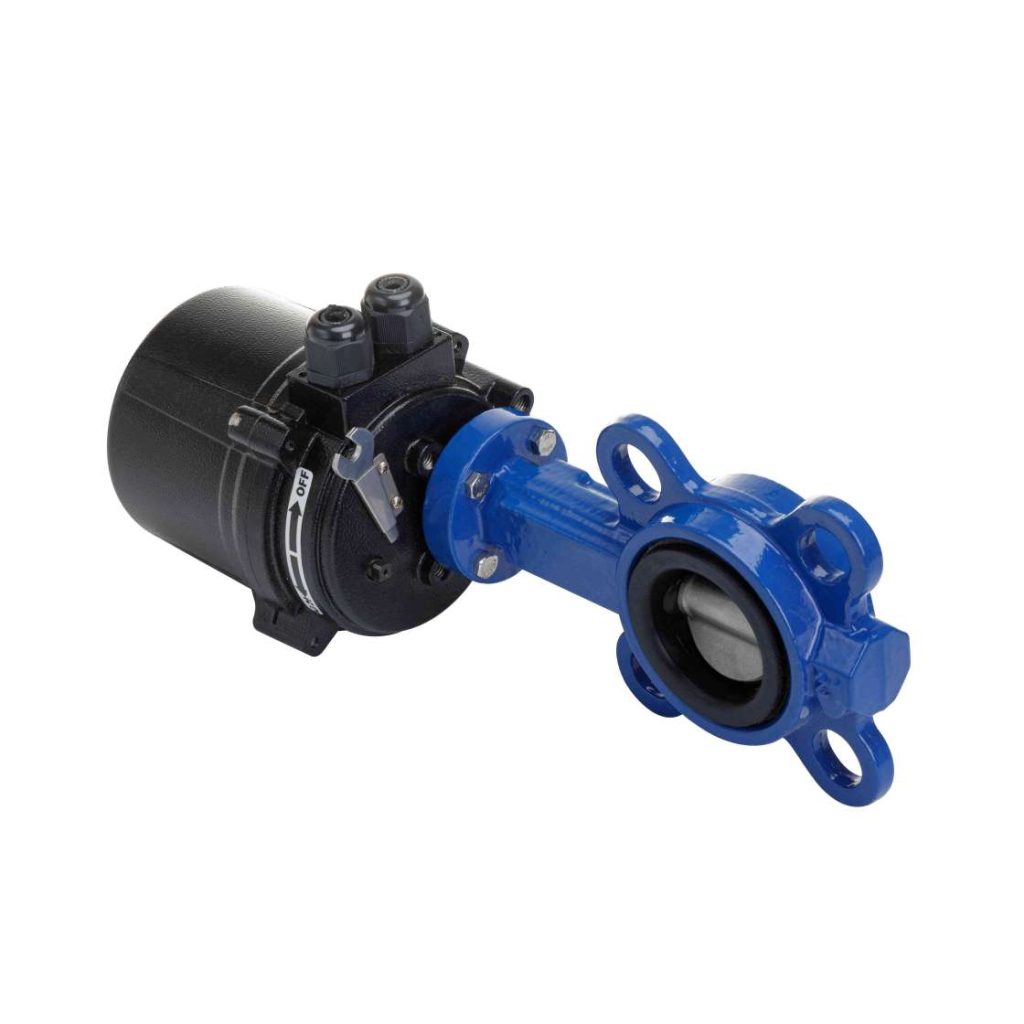
The WCB Electric Butterfly Valve is an essential component in a wide range of industrial applications, known for its reliable performance, efficient control, and robust design. As industries around the world seek to enhance automation and reduce manual labor, electric butterfly valves have become a crucial part of modern valve systems. In this article, we will delve into the functionality, benefits, and applications of the WCB Electric Butterfly Valve, shedding light on why it’s a preferred choice for various industrial settings.
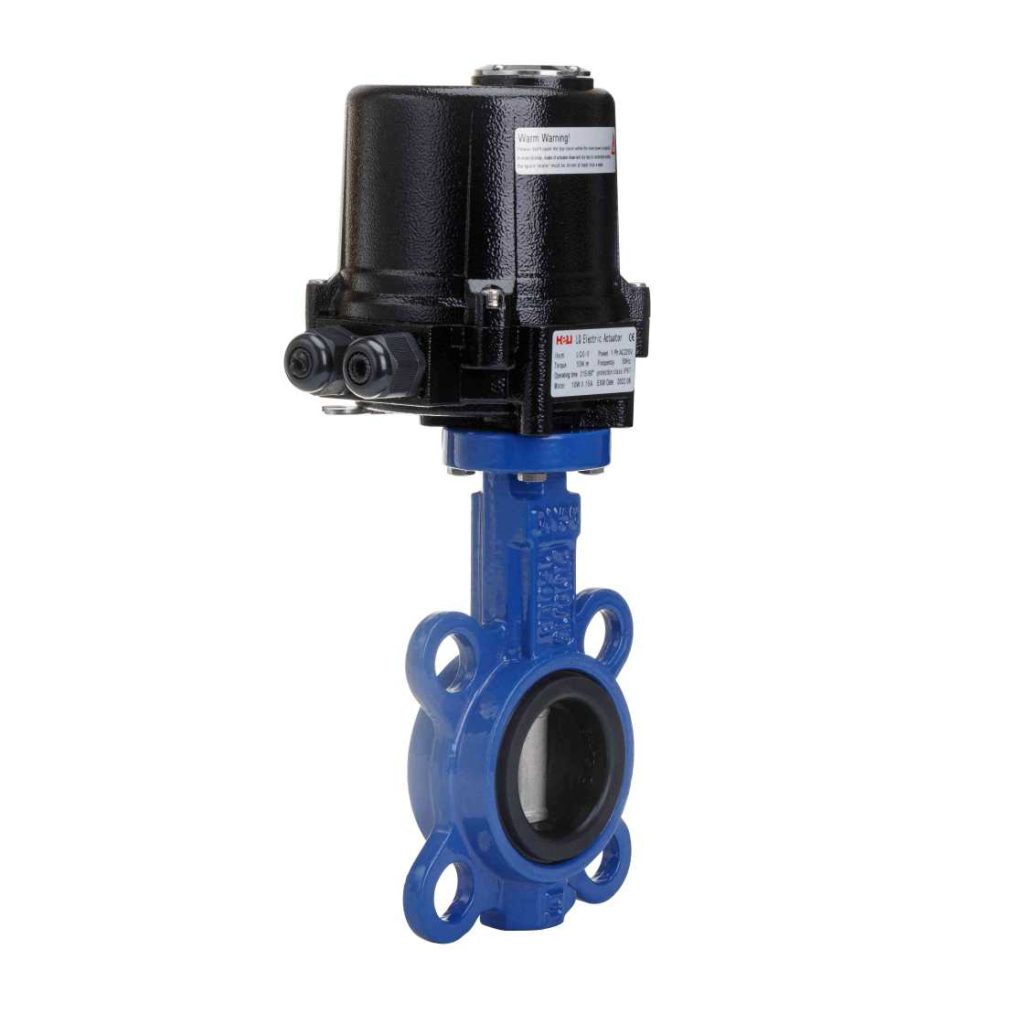
What is a WCB Electric Butterfly Valve?
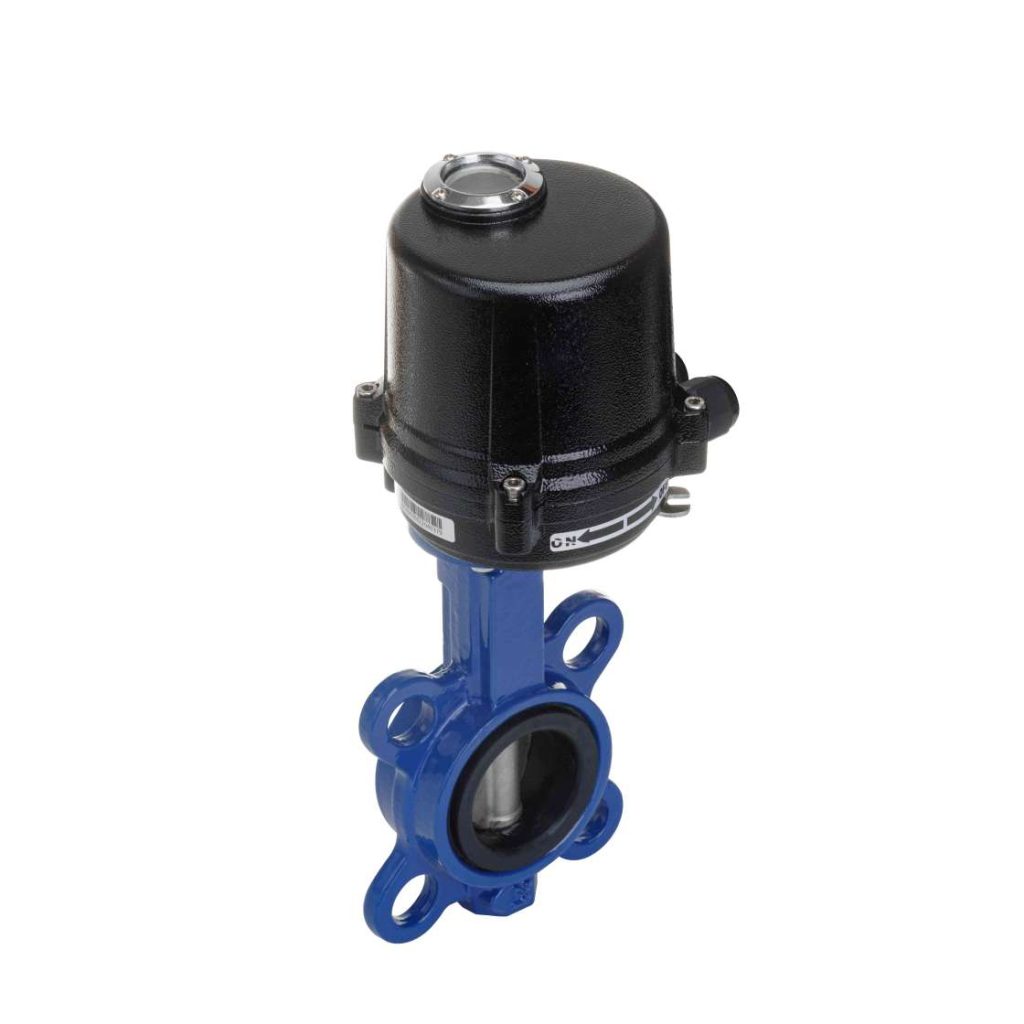
A WCB Electric Butterfly Valve is a type of valve that uses an electric actuator to control the flow of liquids or gases within a pipeline. The valve consists of a disk (the butterfly) that rotates to regulate the passage of fluid. The term “WCB” refers to the material used in the valve’s construction, which is a high-quality carbon steel. This material offers excellent durability, resistance to wear and tear, and strength, making it ideal for handling various operational pressures and temperatures. The electric actuator attached to the valve allows for precise control of the opening and closing mechanism, enabling automated operation. By converting electrical energy into mechanical motion, the actuator can open, close, or modulate the valve’s position to control the flow of fluids with high precision.