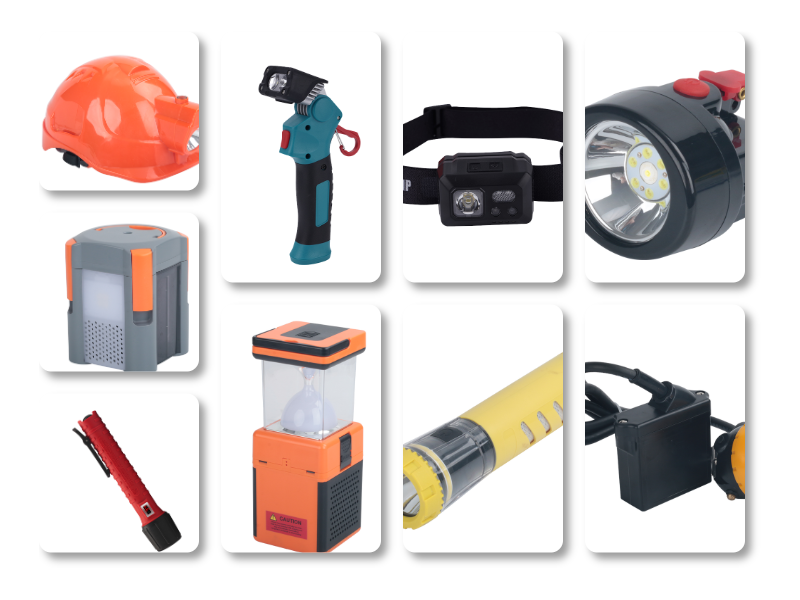
In recent years, the demand for explosion-proof tactical work lights has been on the rise, especially in industries such as oil and gas, mining, and chemical processing. As a leading manufacturer of explosion-proof equipment in China, this article will delve into the construction and features of explosion-proof tactical work lights, providing valuable insights into this specialized field.
**Introduction**
Explosion-proof tactical work lights are designed to operate in environments where the risk of explosion due to flammable gases or dust is high. These lights are essential for workers in industries such as oil and gas, mining, and chemical processing, as they ensure the safety and well-being of personnel in hazardous areas. In China, the construction of explosion-proof tactical work lights adheres to strict standards and regulations to ensure the highest level of safety and performance.
**Material Selection**
The construction of explosion-proof tactical work lights in China begins with the selection of appropriate materials. High-quality materials such as aluminum, stainless steel, and durable plastic are commonly used in the manufacturing process. These materials offer excellent resistance to corrosion, impact, and high temperatures, ensuring the longevity and reliability of the light.
**Design Features**
The design of explosion-proof tactical work lights in China is focused on providing optimal performance and ease of use. Some of the key design features include:
1. **Ingress Protection (IP) Rating**: These lights are designed with an IP66 rating, which means they are completely dust-tight and protected against high-pressure water jets from all directions. This ensures the lights remain operational even in harsh environmental conditions.
2. **Impact Resistance**: Explosion-proof tactical work lights in China are built to withstand harsh impacts and vibrations, making them ideal for use in rugged environments.
3. **Temperature Range**: These lights are designed to operate within a wide temperature range, from -40°C to +55°C, ensuring they remain functional in extreme conditions.
4. **Energy Efficiency**: The use of advanced LED technology allows for high-intensity lighting with minimal power consumption, extending the battery life of the lights.
5. **Mounting Options**: Various mounting options, such as magnetic, strap, and clamp, are available to accommodate different work environments and applications.
**Safety Standards**
The construction of explosion-proof tactical work lights in China is subject to strict safety standards, including:
1. **Ex Rating**: These lights are designed to meet the Ex ia IIC T4 standard, which ensures they are suitable for use in environments with high concentrations of flammable gases and dust.
2. **Quality Certification**: Explosion-proof tactical work lights in China must undergo rigorous quality control tests and certifications, such as CE, UL, and IECEx, to ensure they meet international safety standards.
**Applications**
Explosion-proof tactical work lights are widely used in various industries, including:
1. **Oil and Gas**: Workers in oil refineries, offshore platforms, and pipeline construction projects rely on these lights to perform their duties safely in potentially explosive environments.
2. **Mining**: Miners use explosion-proof tactical work lights to navigate through underground tunnels and shafts, where the risk of explosion is high.
3. **Chemical Processing**: Employees in chemical plants and refineries use these lights to perform maintenance and repair tasks safely.
4. **Firefighting and Emergency Services**: Firefighters and emergency response teams use explosion-proof tactical work lights to search for victims and conduct rescue operations in hazardous environments.
**Conclusion**
In conclusion, explosion-proof tactical work light construction in China is a specialized field that focuses on ensuring the safety and well-being of workers in hazardous environments. With strict adherence to safety standards, advanced technology, and high-quality materials, these lights are an essential tool for industries such as oil and gas, mining, and chemical processing.