Overload Protection Relays (OPRs) play a critical role in modern electrical systems by safeguarding motors and equipment from potential damage caused by excessive current. These devices are essential in both industrial and commercial applications, where maintaining the reliability and safety of electrical circuits is paramount. An overload occurs when an electrical device draws more current than it is designed to handle for a prolonged period, which can result in overheating, insulation failure, or even fire hazards. Overload protection relays serve as a preventive measure, disconnecting power before significant damage occurs.
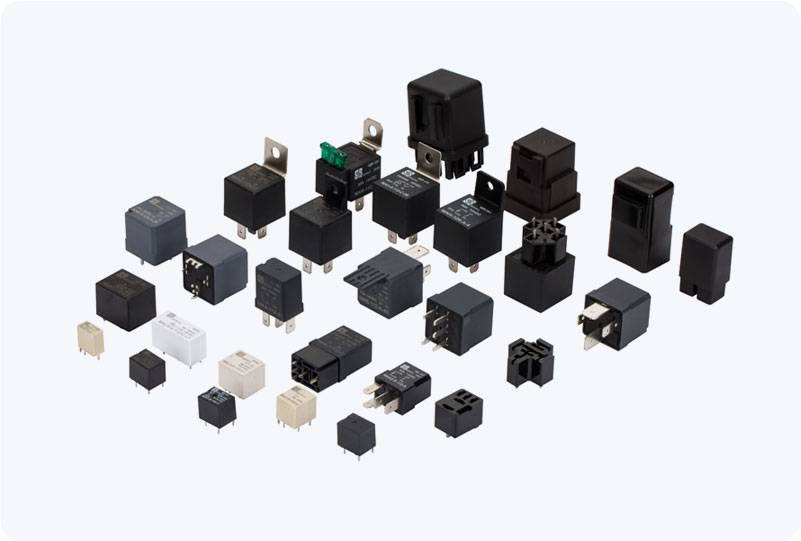
The primary function of an overload protection relay is to monitor the current flowing through an electrical circuit and respond when the current exceeds a predetermined threshold. Most OPRs achieve this through thermal or electromagnetic mechanisms. Thermal overload relays, for example, operate based on the heat generated by the current. A bimetallic strip within the relay bends when the temperature rises due to excessive current, ultimately triggering the relay to open the circuit. This design provides a simple yet effective way to prevent motors from overheating. On the other hand, electromagnetic overload relays rely on the principle of electromagnetism. A coil generates a magnetic field proportional to the current, and when the field strength exceeds a set limit, it activates a mechanical mechanism to break the circuit.