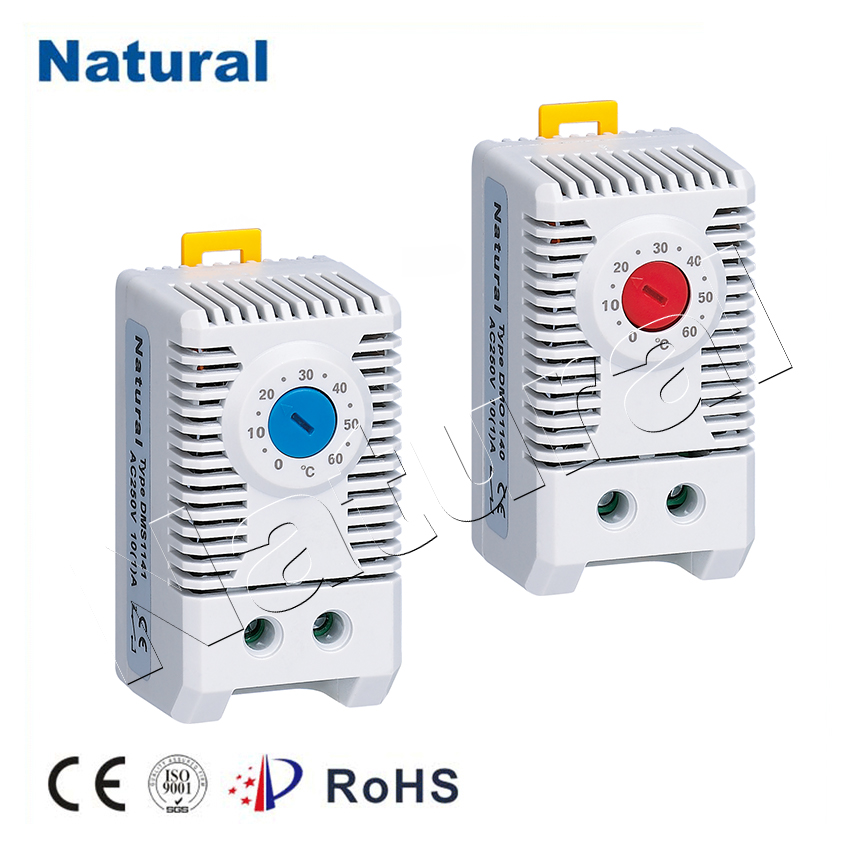
A 24V thermostat is a crucial part of many heating, ventilation, and air conditioning (HVAC) systems in residential and commercial buildings. Operating on low voltage, these thermostats provide a safe and efficient way to control temperature by regulating the operation of heating and cooling systems. In this article, we will explore what a 24V thermostat is, how it works, and the advantages it offers.
What is a 24V Thermostat?
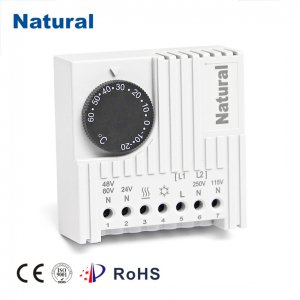
A 24V thermostat is designed to control the temperature of your home or office by communicating with your HVAC system through a 24-volt electrical signal. This low-voltage system makes the thermostat safe to use while offering reliable performance. The main purpose of a thermostat is to maintain a set temperature in a room by activating and deactivating the heating or cooling systems based on the current temperature and user settings. The 24V thermostats are often found in residential and light commercial HVAC systems. They are used to control a variety of systems such as heating systems (gas, electric, or oil), cooling systems (air conditioning), and even more complex setups like heat pumps or multi-stage systems. The 24V system is typically powered by a transformer, which converts the standard electrical supply to a safe, low voltage that operates the thermostat.