Lock tags, an essential yet often overlooked component in modern security systems, are designed to play a critical role in ensuring safety, efficiency, and accessibility. Whether in physical environments such as construction sites or in digital platforms like IoT (Internet of Things) security, lock tags serve as effective tools for preventing unauthorized access and managing secure access to systems. This article explores the importance of lock tags, their applications, and the safety benefits they offer across various sectors.
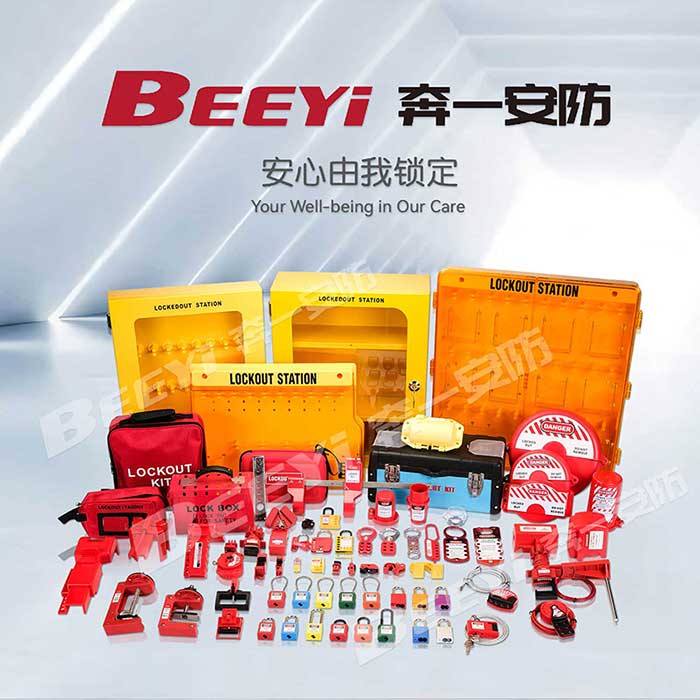
What Are Lock Tags? A lock tag is a physical or digital marker used to signify that a particular device, resource, or system is either locked or under restricted access. In physical security, these tags are typically attached to equipment or machinery that is either being serviced or secured for safety reasons. In digital systems, lock tags often refer to identifiers that manage access control, ensuring that only authorized users can interact with specific data or devices. The core purpose of lock tags is to signal the status of an item—whether it is locked, in use, or restricted from being accessed by unauthorized individuals. In many cases, these tags can also offer a visual cue to workers or security personnel, providing a clear indication of potential hazards or areas requiring special attention.