When selecting the right relay for a particular application, understanding the various specifications is crucial. A relay is an electromechanical or solid-state device used to control high-power circuits with a low-power signal. Given the vast array of relays available in the market, it’s important to understand the key specifications that differentiate them and make them suitable for specific tasks. This article provides an overview of the key specifications involved in relay selection, highlighting the differences between types and models, and offers insights into what to consider when making a decision.
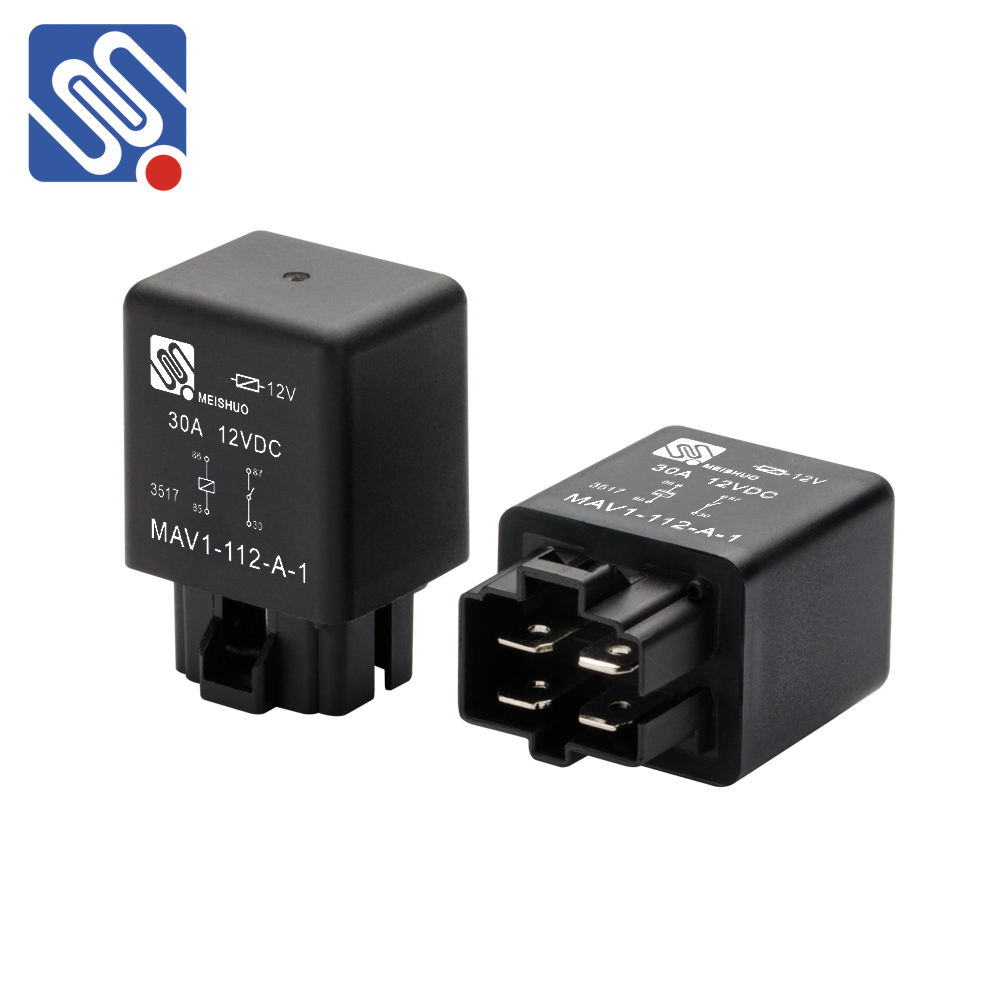
1. Coil Voltage and Current The coil voltage refers to the electrical voltage required to energize the relay’s coil, which then activates the switching mechanism. Relays come in a wide range of coil voltages, including 5V, 12V, 24V, 48V, and 120V. When selecting a relay, it’s essential to ensure that the coil voltage matches the operating voltage of the control circuit. The coil current is another important parameter, as it determines how much current the coil will draw during operation. This can affect the relay’s power consumption and the overall efficiency of the circuit. 2. Contact Rating and Type