Lockout hasps are critical safety devices used in industrial and manufacturing environments to ensure worker safety during maintenance and servicing activities. By locking off energy sources such as electricity, gas, or mechanical power, lockout hasps prevent accidental machine startups, thus safeguarding workers from potential injuries. This installation guide will provide a comprehensive overview of how to properly install lockout hasps, ensuring that machinery or equipment is safely secured while being serviced or repaired.
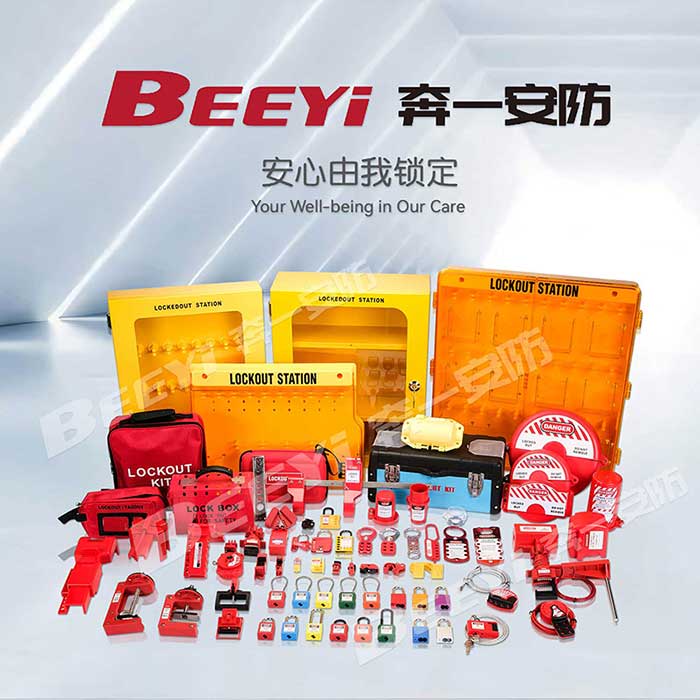
1. Understanding Lockout Hasps A lockout hasp is a simple but essential tool designed to secure equipment in a “locked-out” state. These devices are typically made of durable materials such as stainless steel, ensuring they can withstand harsh industrial environments. Lockout hasps feature multiple holes or loops where individual locks can be placed, allowing multiple workers to secure the same piece of equipment with their own locks. Lockout hasps are used primarily in conjunction with energy isolation devices (like circuit breakers, valve handles, or switches) to prevent unauthorized or accidental activation of machinery. Each worker involved in the maintenance or servicing of a machine places their own lock on the hasp, ensuring that the equipment remains securely isolated from all sources of energy until all workers have completed their tasks and removed their locks.