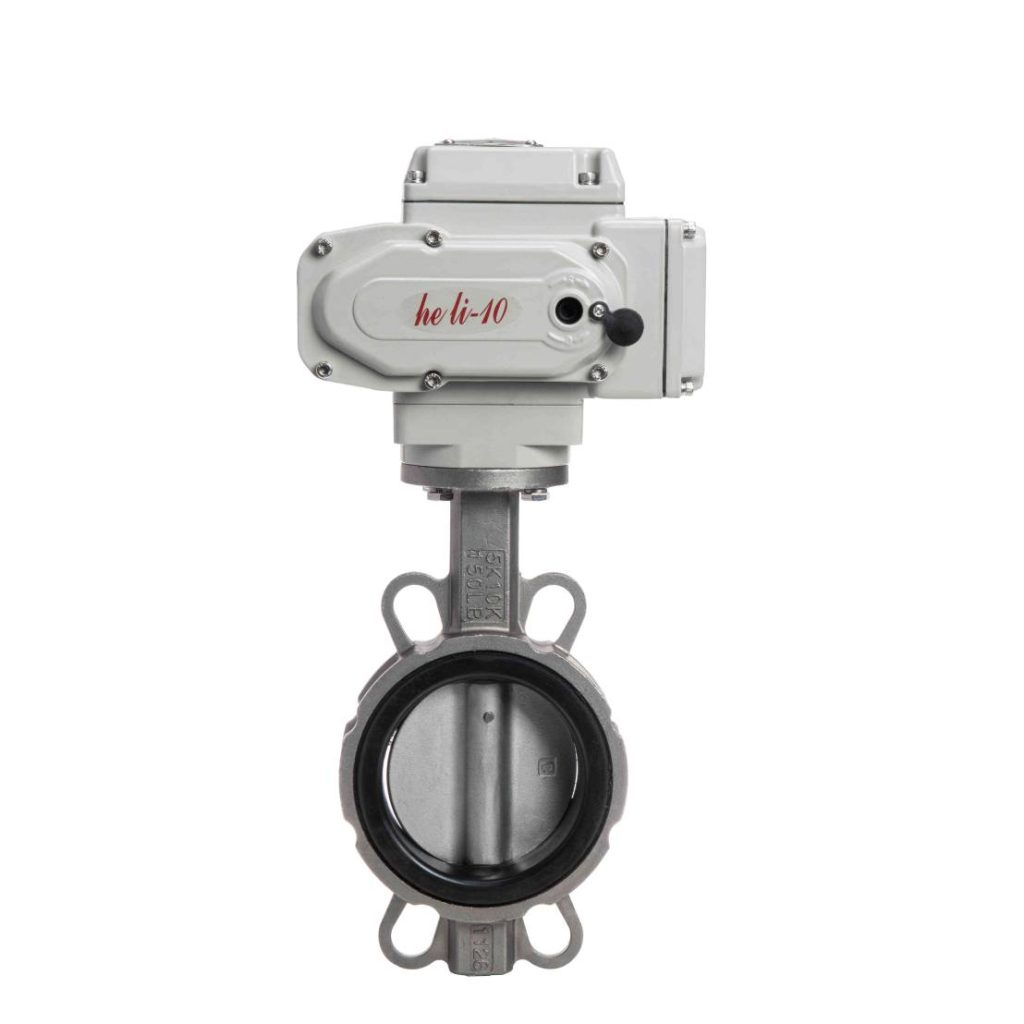
The Electric Clamp Butterfly Valve is a key component widely used in modern fluid control systems across various industries. Known for its durability, precise control, and ease of maintenance, this type of valve has become an essential part of applications ranging from water treatment plants to chemical processing industries. In this article, we will explore the design, working principles, advantages, and applications of the Electric Clamp Butterfly Valve, emphasizing why it has gained such popularity.
Design and Working Principle
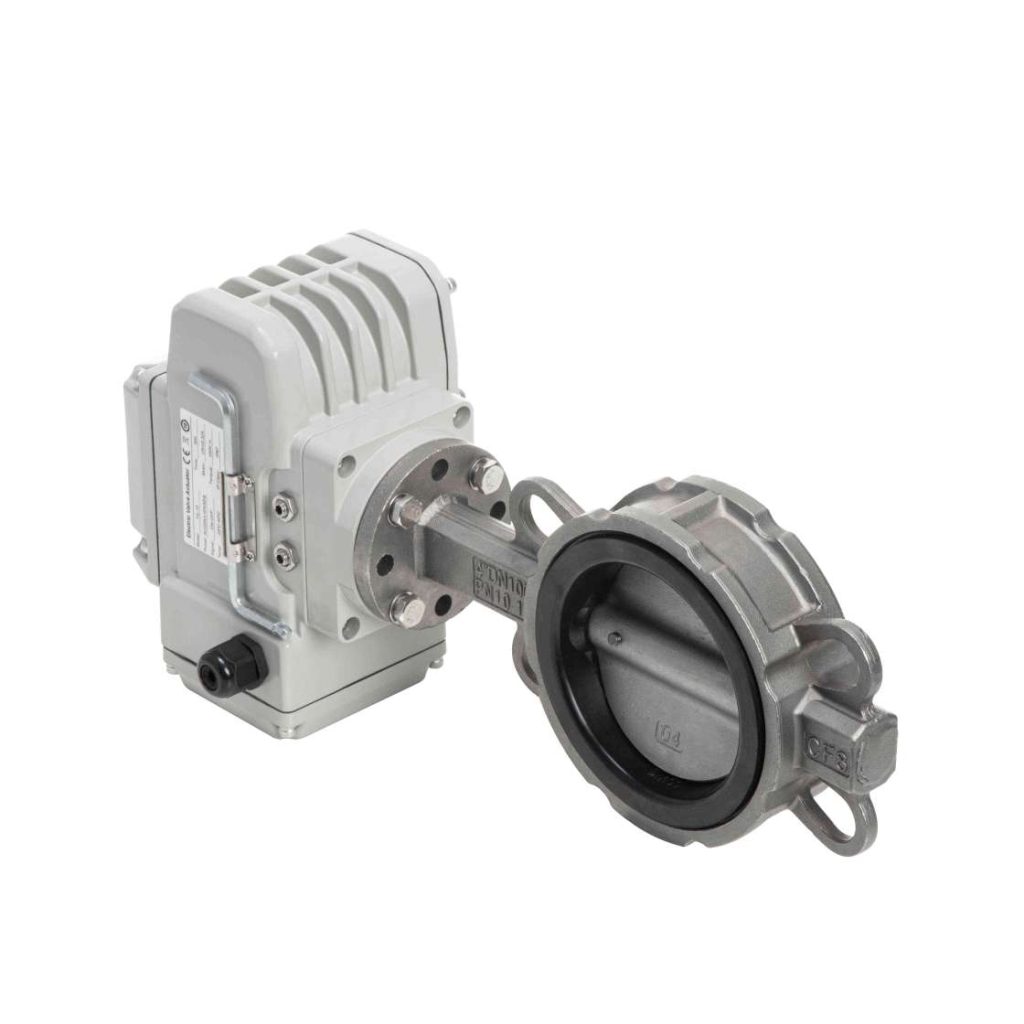
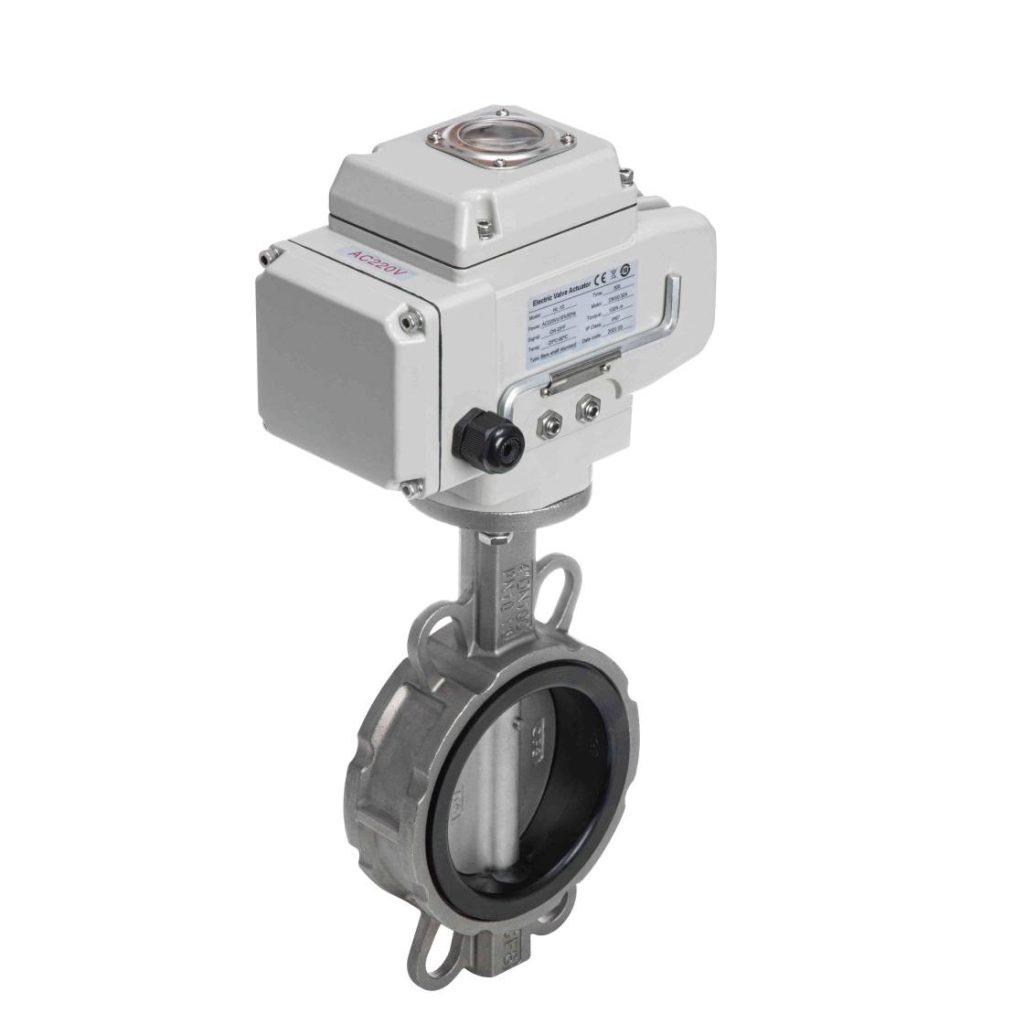
An Electric Clamp Butterfly Valve consists of several important parts: a valve body, a butterfly disc, a shaft, and an electric actuator. The valve’s design is based on a rotating disc that moves to control the flow of fluid. The disc is attached to a central shaft, which, when rotated by the electric actuator, opens or closes the valve. The electric actuator is typically powered by an electric motor that provides the torque needed to move the disc into the desired position. One of the most significant features of the Electric Clamp Butterfly Valve is the clamp connection, which makes installation and maintenance easier. This connection ensures a secure and leak-proof seal without the need for traditional flanges and bolts. The clamp connection allows for quick and easy assembly or disassembly, making it ideal for industries where uptime is crucial.