A non-toxic solenoid valve is a specialized type of valve designed for systems where human exposure to fluids or gases is a concern, ensuring that no harmful substances leach into the system. These valves are essential in industries such as food and beverage processing, pharmaceuticals, medical devices, and other critical applications where purity and safety are paramount. Non-toxic solenoid valves perform the same function as standard solenoid valves: they control the flow of liquids and gases by using an electromagnetic coil. However, what distinguishes them is the material composition, which meets stringent health and safety regulations.
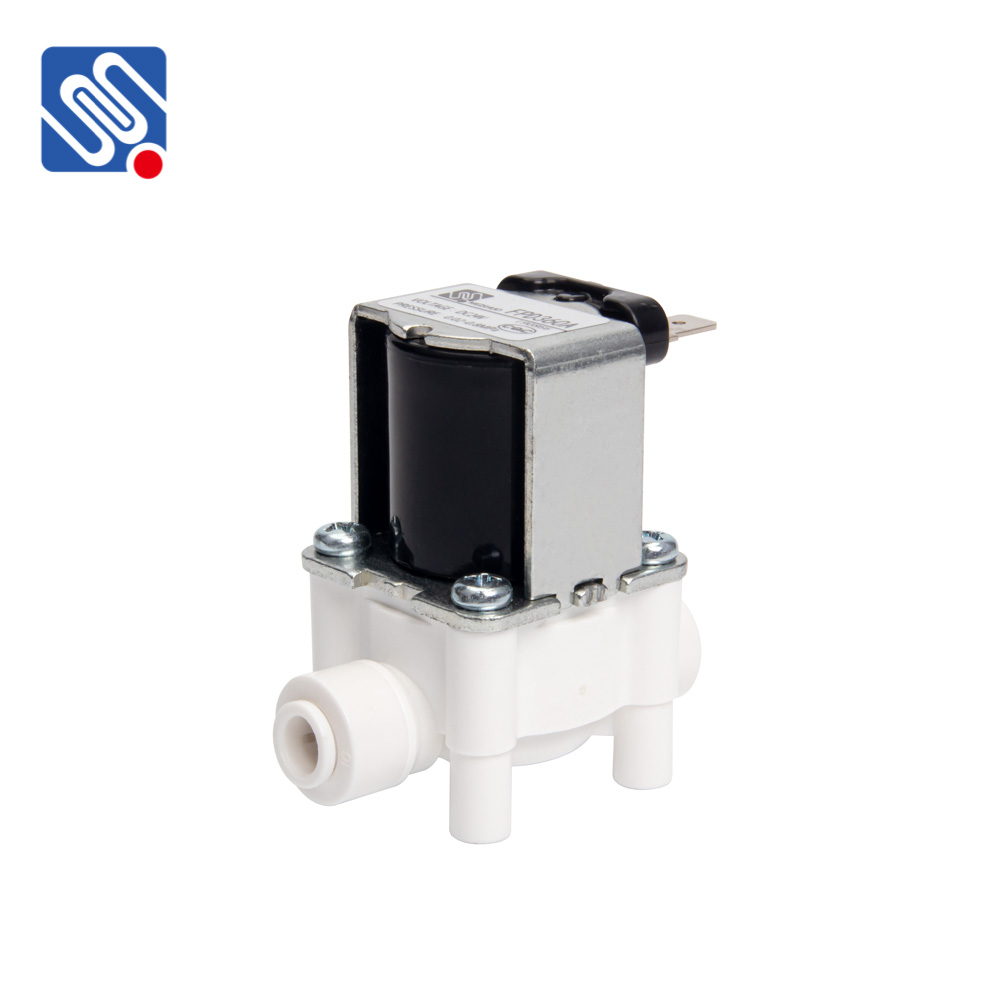
What is a Non-toxic Solenoid Valve? A non-toxic solenoid valve is a device that regulates the flow of fluid or gas within a system, but it is specifically constructed with materials that are safe for direct or indirect human consumption or exposure. These valves are often made from high-quality, non-reactive materials such as FDA-approved plastics, medical-grade stainless steel, and elastomers, ensuring that the substances within them remain pure and untainted by harmful chemicals. In industries where contamination is a major concern, non-toxic solenoid valves are crucial. They are designed to prevent the risk of toxic substances leaching into the fluid stream, making them indispensable in food, beverage, medical, and pharmaceutical applications. In many cases, these valves must comply with strict regulatory standards, such as those set by the U.S. Food and Drug Administration (FDA), NSF International (National Sanitation Foundation), and other regulatory bodies that ensure safety and purity.