Electrical safety is a paramount concern in industrial environments, where workers are often exposed to hazardous electrical equipment. The importance of safeguarding against electrical accidents has led to the development of various safety protocols and equipment. One critical component of ensuring safety in industrial settings is the use of electrical equipment lockouts. These devices play a vital role in preventing accidental electrical energization during maintenance and repair processes. This article explores the significance of electrical equipment lockouts and provides an insight into the factory that manufactures these safety devices.
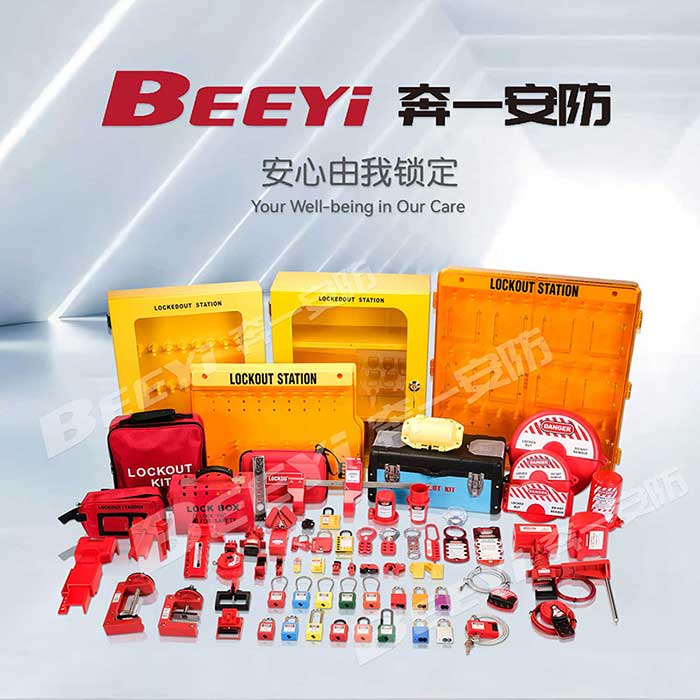
What is Electrical Equipment Lockouts? Electrical equipment lockouts are devices designed to isolate electrical equipment from power sources during maintenance, repair, or servicing. These devices physically prevent electrical circuits from being energized, ensuring that workers are not exposed to live wires or high-voltage equipment. Lockout devices typically come in the form of padlocks, circuit breaker locks, switch covers, and other equipment designed to lock out and prevent electrical circuits from being turned back on while maintenance is taking place. The primary purpose of electrical equipment lockouts is to protect workers from electric shocks, burns, or even fatalities due to unintentional contact with live electrical components. According to industry safety standards, all electrical equipment should be locked out before maintenance begins to minimize the risk of accidental startup or energization.