Relays are crucial components used in a wide range of electronic systems. They act as electrical switches that are triggered by an external signal, typically from a low-power circuit, to control a high-power circuit. Relays are commonly used in automotive, industrial, and telecommunications applications, where controlling high-current devices is necessary. In this article, we will explore the important aspects of Relay specifications and why they matter when choosing the right relay for your application.
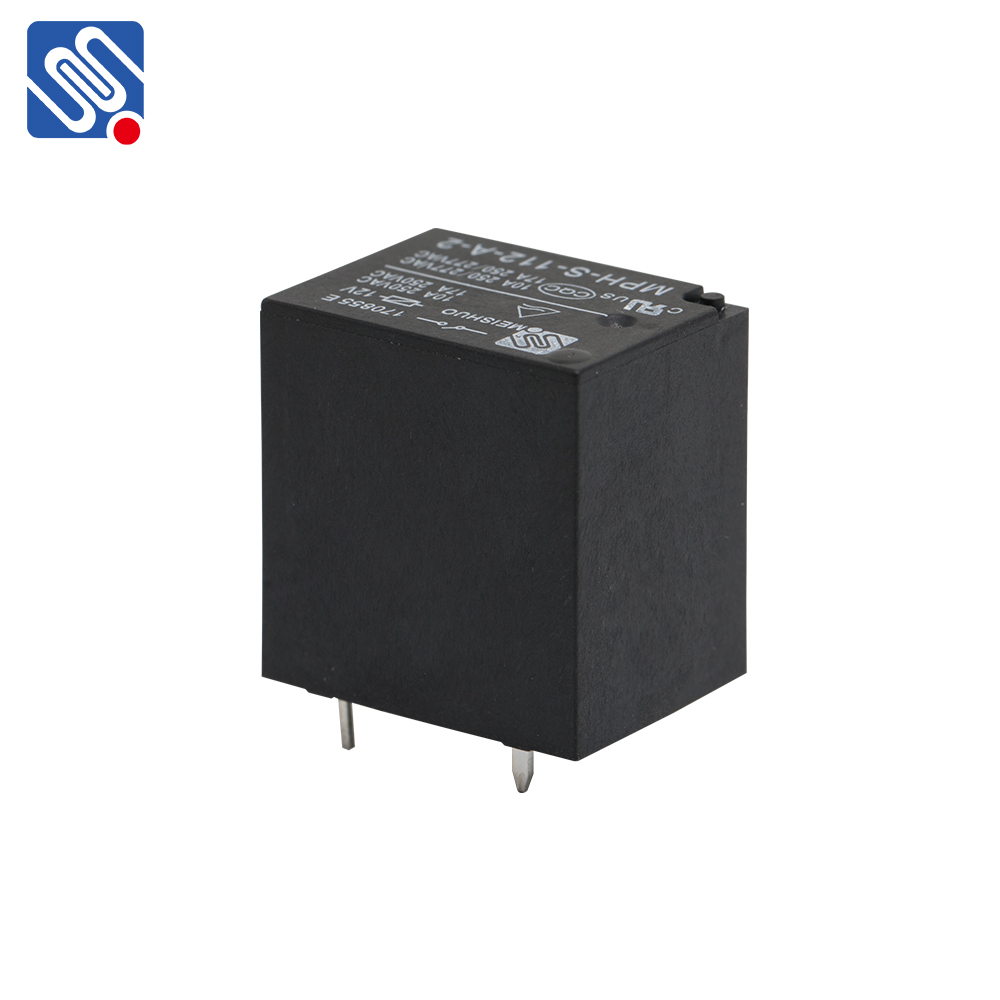
What are Relay Specifications? Relay specifications define the operational and mechanical characteristics of a relay, outlining its limits and performance parameters. Understanding these specifications is vital to ensuring that the relay operates safely and effectively within the intended circuit. Some of the most common specifications include contact rating, coil voltage, switching time, and lifecycle, among others. 1. Contact Rating The contact rating refers to the maximum voltage and current that the relay’s contacts can handle when switching. It is one of the most important specifications, as exceeding these values can lead to overheating, contact erosion, or failure. The contact rating is typically expressed in terms of voltage (e.g., 12V DC, 240V AC) and current (e.g., 10A, 30A). Choosing the correct contact rating ensures that the relay can handle the power requirements of the circuit without causing damage.