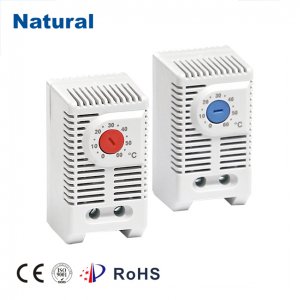
In modern appliances and electronic devices, effective temperature regulation is crucial for ensuring optimal performance and safety. One of the key components used in temperature control systems is the control bimetal thermostat thermal protector. This device plays a significant role in preventing overheating and protecting sensitive equipment, making it an essential component in various applications. This article delves into the working principles, applications, and benefits of control bimetal thermostat thermal protectors.
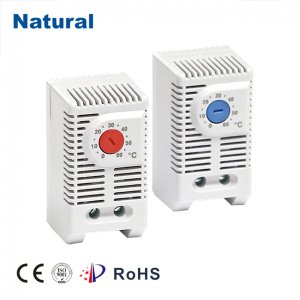
What is a Control Bimetal Thermostat Thermal Protector?
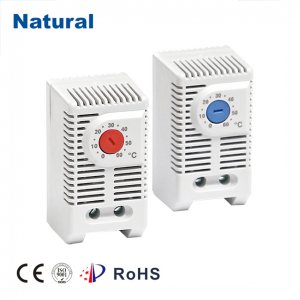
A control bimetal thermostat thermal protector is a temperature-sensing device that operates based on the principle of bimetallism. It consists of two different types of metal strips bonded together. These metals have different coefficients of thermal expansion, meaning they expand and contract at different rates when subjected to temperature changes. As the temperature rises, the bimetallic strip bends, activating the switch mechanism within the thermostat. When the temperature exceeds a predetermined threshold, the bimetal strip will bend sufficiently to either open or close an electrical circuit. This action can either cut off power to the heating element or allow current to flow, depending on the design of the protector. By doing so, the control bimetal thermostat thermal protector helps maintain a safe operating temperature for the device it is installed in.