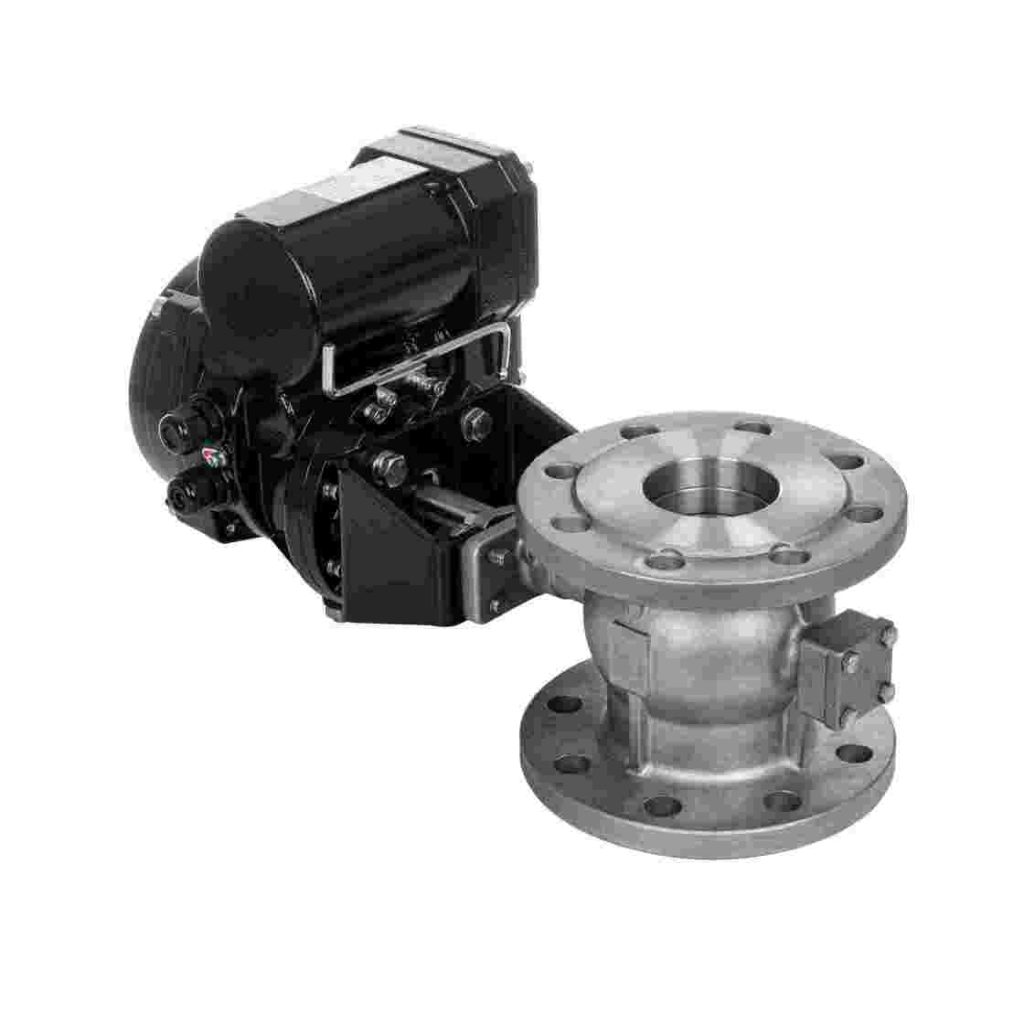
In recent years, the advancement of technology has led to the development of various new and innovative solutions across industries. One such breakthrough is the introduction of the Lithium Battery Electric Valve. These valves, which combine the efficiency and energy capacity of lithium batteries with the precision of electric valves, have found applications in industries ranging from water treatment to oil and gas, and even in residential and commercial buildings. This article explores the significance, working mechanism, advantages, and applications of Lithium Battery Electric Valves.
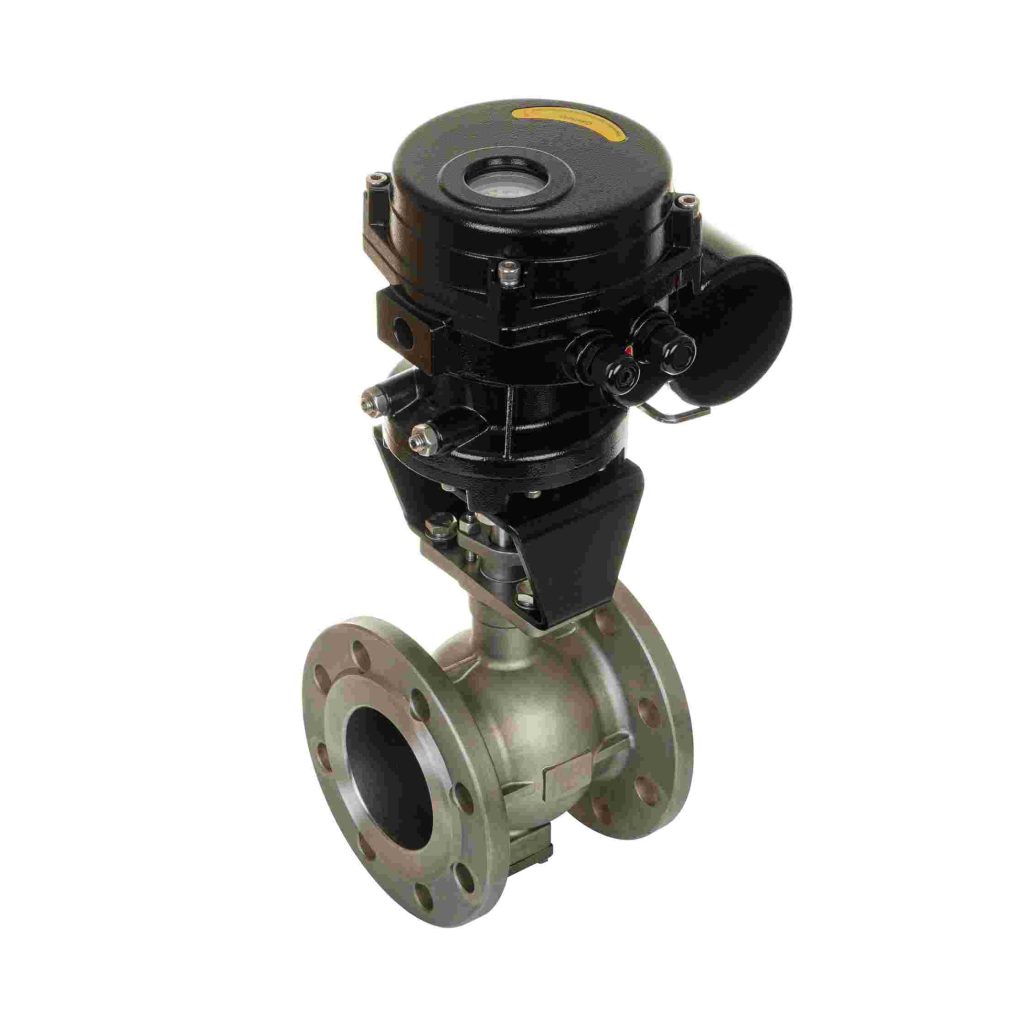
Understanding the Lithium Battery Electric Valve
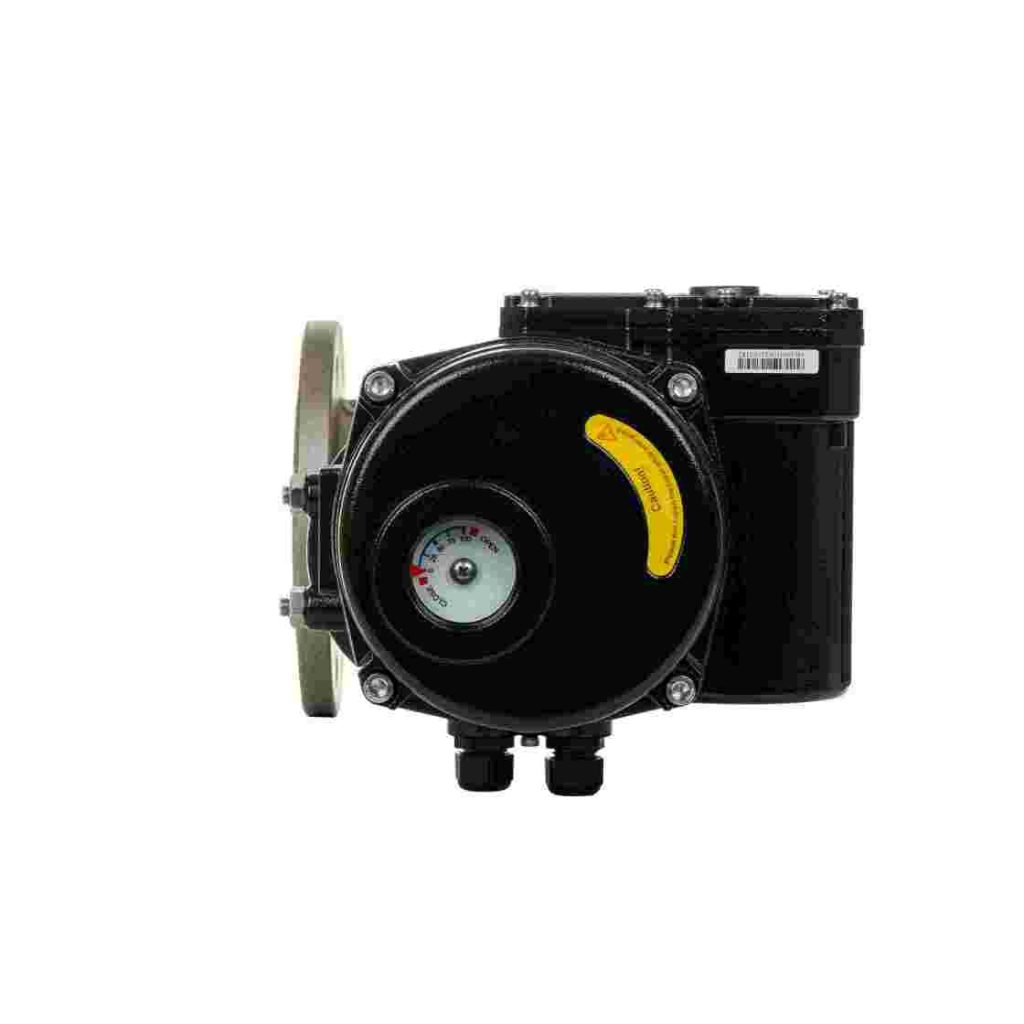
A Lithium Battery Electric Valve is a type of valve that operates using an electric motor powered by a lithium battery. Unlike traditional electric valves that rely on a continuous power supply, these valves offer the advantage of being powered by rechargeable lithium-ion batteries, which makes them highly versatile and energy-efficient. The core function of the valve is to regulate the flow of fluids or gases within a system by opening or closing the valve based on electrical signals. Electric valves, in general, are used in automated systems to manage the flow of fluids. They are controlled remotely through signals from a control system. When coupled with lithium battery technology, these valves are designed to operate in environments where traditional power sources are unavailable or unreliable, offering a new level of flexibility and efficiency.