Relay Circuit Protection: Ensuring Safety in Electrical Systems
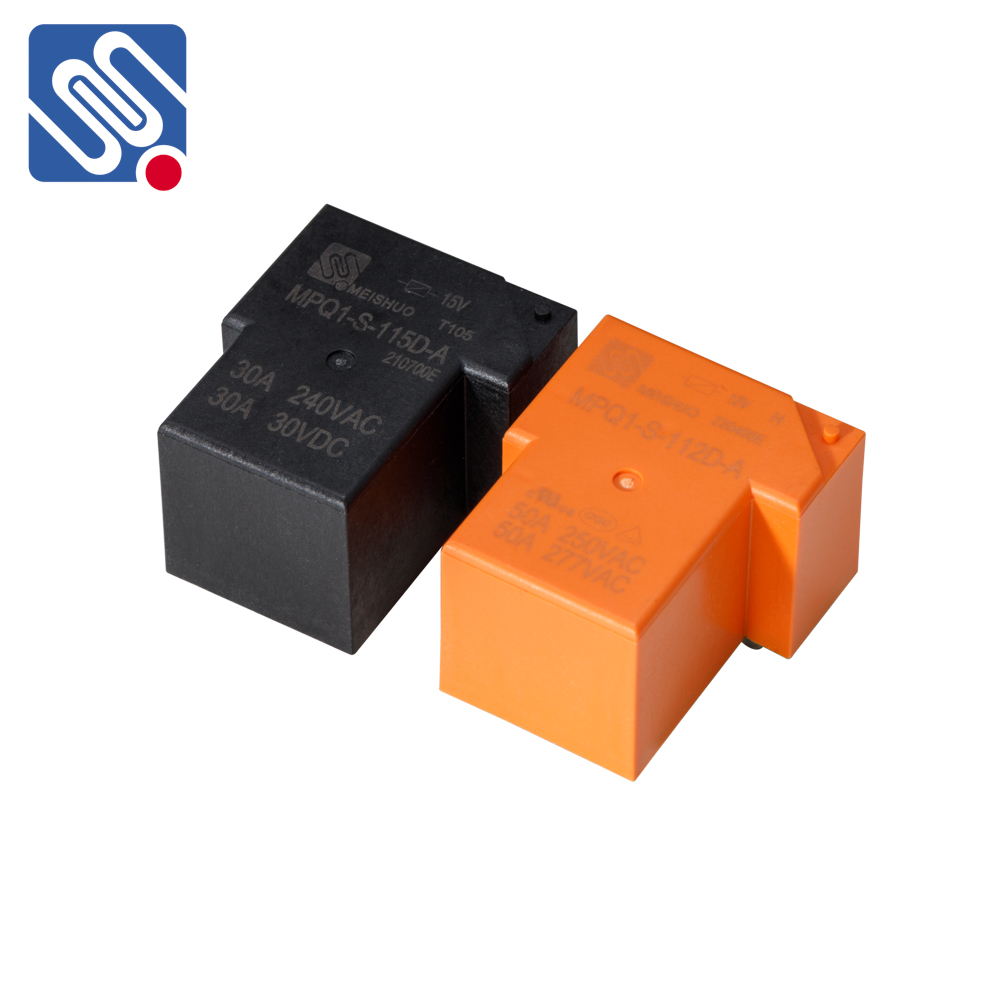
Relay circuit protection plays a crucial role in maintaining the reliability and safety of electrical systems. By detecting faults such as short circuits, overloads, and ground faults, relay protection systems automatically isolate the faulty sections of a network, thereby preventing further damage to equipment and ensuring the overall stability of the system. This article explores the importance of relay circuit protection, its working principles, and its key components. 1. What is Relay Circuit Protection? Relay circuit protection refers to the use of protective relays in electrical systems to detect abnormalities and initiate actions to isolate faulty circuits. When a fault occurs—whether it’s an overcurrent, a short circuit, or a ground fault—the relay identifies the problem and sends a signal to a circuit breaker or other switching device to disconnect the faulty section of the network. This automatic response helps to prevent the spread of damage, reducing downtime and ensuring the continued operation of healthy parts of the system.