In industrial settings where flammable materials, gases, or dust are present, ensuring the safety of electrical systems is paramount. One essential component that plays a pivotal role in these environments is the Hazardous Area Relay (HAR). These relays are specifically designed to operate safely in potentially explosive atmospheres, mitigating the risks associated with hazardous materials.
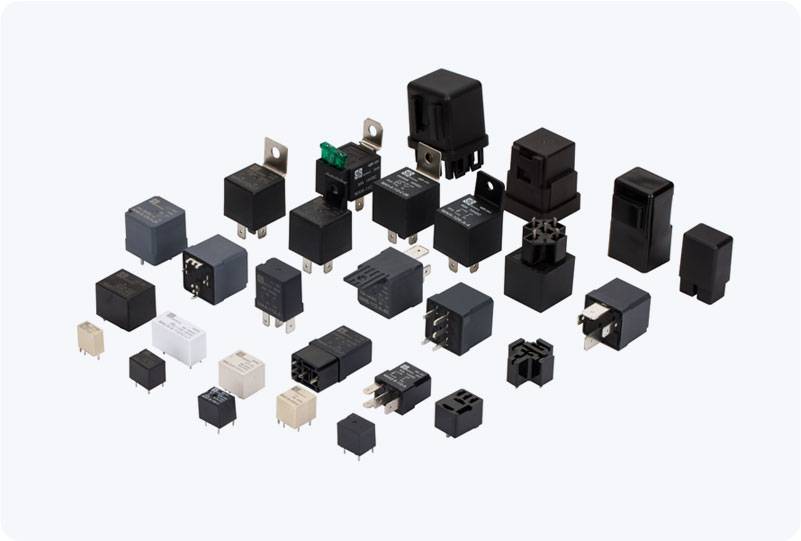
The Importance of Hazardous Area Relays Hazardous Area Relays are crucial in industries such as oil and gas, chemical manufacturing, and mining, where the presence of flammable gases or dust makes the environment dangerous. The primary function of these relays is to control and switch electrical circuits safely without igniting any combustible substances. By using specialized design concepts, including flameproof enclosures and intrinsic safety techniques, HARs provide operators with a reliable solution to control equipment and processes in challenging conditions. Design Features The design of Hazardous Area Relays typically adheres to stringent international standards, such as ATEX (European Union) and IECEx (International Electrotechnical Commission), which ensure that the devices are suitable for use in specific hazardous environments. Some common features of HARs include: