Relay reliability is a critical aspect of electrical engineering and system design, as it directly impacts the performance and longevity of relay-based control circuits. Relays are electromechanical devices that serve as switches, controlling the flow of electricity in a wide variety of applications, from automotive systems to industrial machinery and communications networks. Ensuring the reliability of relays is essential for minimizing downtime, enhancing safety, and improving the overall efficiency of systems.
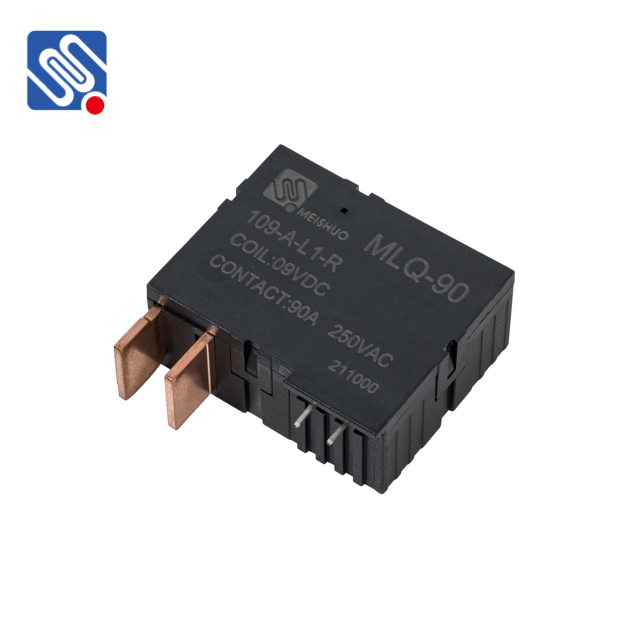
What is Relay Reliability? Relay reliability refers to the ability of a relay to perform its intended function consistently over time without failure. It is a measure of how effectively a relay can handle the mechanical and electrical stresses of its operating environment. The reliability of a relay can be quantified by metrics such as mean time between failures (MTBF), failure rate, and operational life. These indicators provide valuable insight into the likelihood of a relay functioning properly throughout its lifecycle. In most applications, the failure of a relay can result in significant disruptions, ranging from minor inconvenience to catastrophic failure in critical systems. Therefore, understanding the factors that affect relay reliability and implementing strategies to mitigate risks is essential for maintaining system stability.