Relay troubleshooting is a crucial skill for both electrical engineers and network professionals. Whether you are dealing with electrical protection systems in power grids or diagnosing communication issues in networks, understanding the nuances of relay troubleshooting can save time, reduce costs, and enhance system reliability. This article offers a detailed overview of relay troubleshooting, providing essential techniques, common issues, and steps to resolve problems effectively.
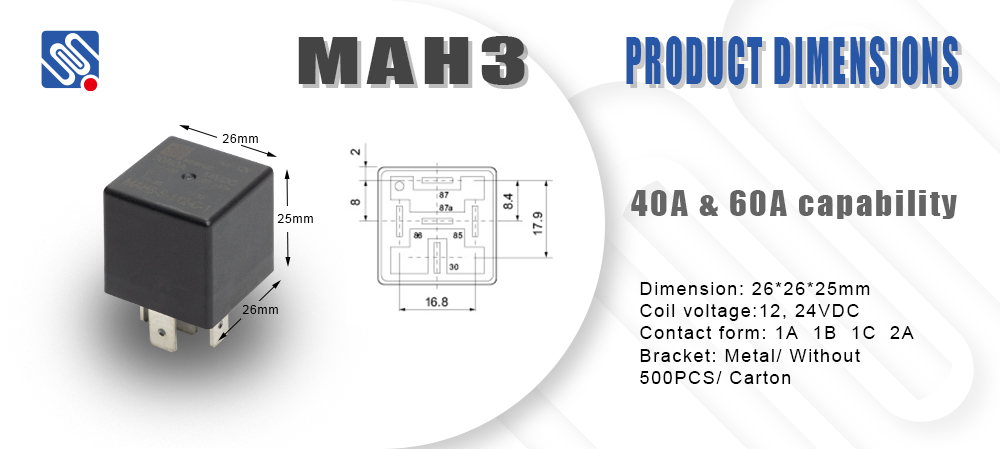
Understanding Relays A relay is an electrically operated switch used to control a circuit by opening and closing contacts. In electrical systems, relays protect equipment by detecting faults such as overcurrent, undervoltage, or short circuits. In network environments, relays facilitate data transmission by forwarding information from one point to another, ensuring smooth communication. Both types of relays, electrical and network, are vital for the proper functioning of complex systems, and troubleshooting them is essential to maintain system stability. Common Causes of Relay Failures