The reliability and safety of power distribution systems are crucial for maintaining a stable and uninterrupted electricity supply. High Voltage Distribution Relays (HVDR) play a pivotal role in protecting electrical grids from faults and ensuring that power systems operate efficiently. These relays are vital components in high-voltage power systems, which typically operate at 11 kV and above. This article explores the function, types, working principles, and applications of HVDRs, shedding light on their importance in modern electrical grids.
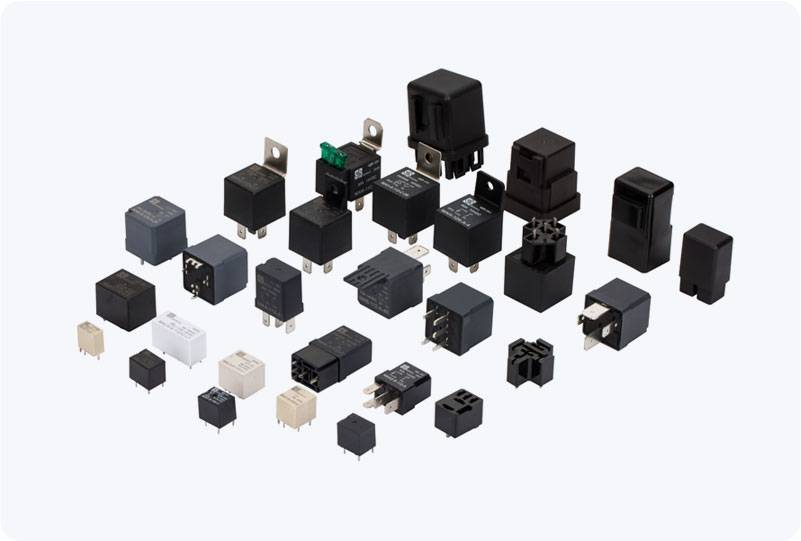
Introduction to High Voltage Distribution Relay High Voltage Distribution Relays are devices designed to monitor electrical parameters in high-voltage distribution networks. They are primarily used to detect faults such as overcurrent, overvoltage, undervoltage, short circuits, and earth faults. When a fault is detected, the relay sends a signal to the circuit breaker to disconnect the faulty section of the grid, preventing further damage to the equipment and reducing the risk of power outages. In doing so, HVDRs not only protect valuable equipment but also safeguard personnel and maintain the stability of the overall power distribution system.