In industrial environments, safety is paramount. Workers face a variety of risks every day, from heavy machinery to electrical hazards, and the proper management of these risks is essential to prevent accidents and injuries. One of the key safety practices in these environments is the use of Safety Lockout Tags, a critical component of the Lockout/Tagout (LOTO) system. This system ensures that hazardous machines or equipment are safely de-energized and isolated during maintenance or repair, reducing the risk of accidents caused by unexpected machinery startup. This article will explore the importance, application, and key aspects of safety lockout tags in industrial settings.
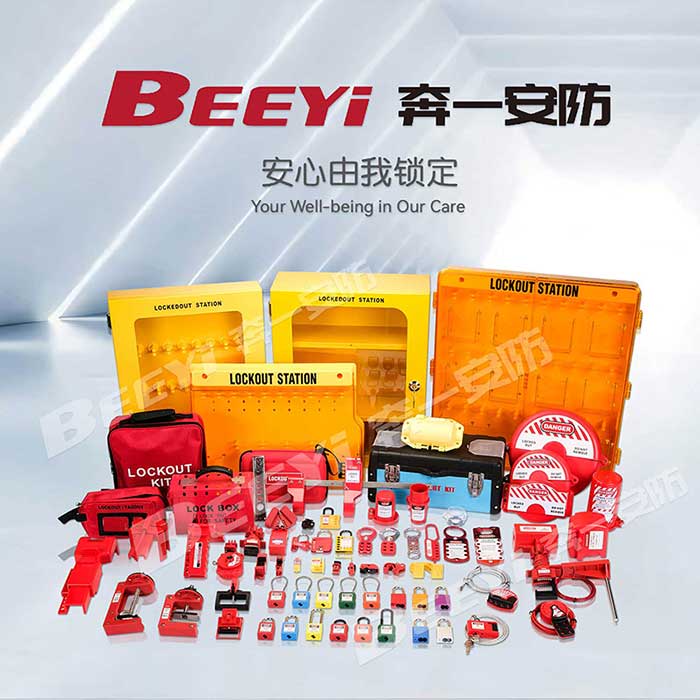
What Are Safety Lockout Tags? Safety Lockout Tags are warning signs that are attached to machines or equipment that are undergoing maintenance or repairs. They serve as a clear and visible indication to workers that the equipment is not to be operated, ensuring that no one attempts to use it while it is in a potentially dangerous state. These tags are part of a broader safety system known as Lockout/Tagout (LOTO), which involves physically locking out machinery or electrical systems and tagging them to prevent their operation. While a lock is a physical mechanism that secures a piece of equipment, a safety lockout tag is typically a brightly colored label, usually red or yellow, that carries crucial information about the maintenance or repair status of the equipment. It will often include details such as the person responsible for the lockout, the date, and the reason for the lockout. This information ensures that everyone on the worksite is aware of the equipment’s status and prevents accidental activation.