In the food and beverage industry, maintaining hygiene and ensuring the safety of products is paramount. One of the key components that help achieve these goals is the food grade solenoid valve. These specialized valves play an essential role in controlling the flow of liquids, gases, and steam in food processing systems. Designed with high standards for hygiene and durability, food grade solenoid valves are a critical part of food safety systems. In this article, we will explore the features, applications, and importance of food grade solenoid valves in the food industry.
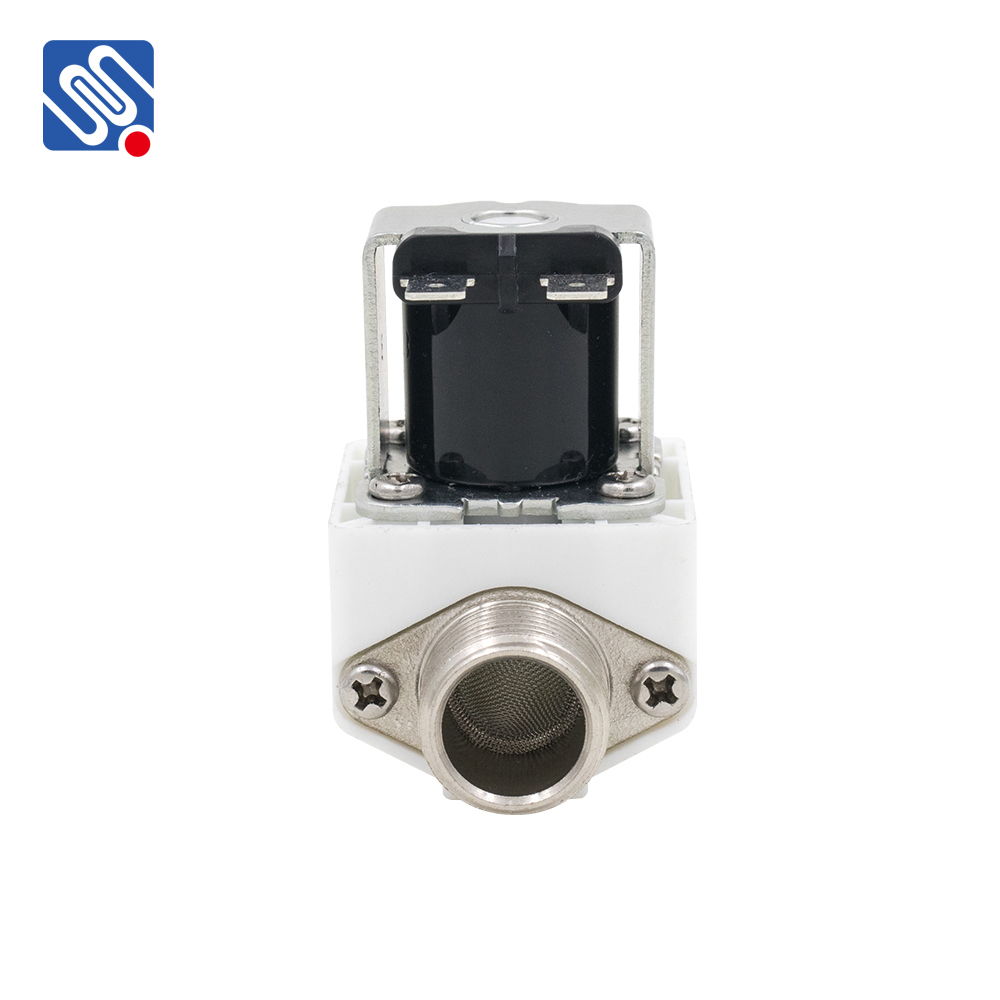
What is a Food Grade Solenoid Valve? A food grade solenoid valve is a type of electrically operated valve that is designed to meet the stringent requirements of the food and beverage industry. It is primarily used to control the flow of fluids, gases, or steam, but its distinguishing factor is that it is made from materials that comply with food safety standards. These valves are constructed using high-quality, non-toxic materials like stainless steel or food-grade plastics, which are resistant to corrosion, high temperatures, and cleaning agents. Moreover, they are built to prevent contamination, ensuring that the fluids passing through them remain safe for human consumption.