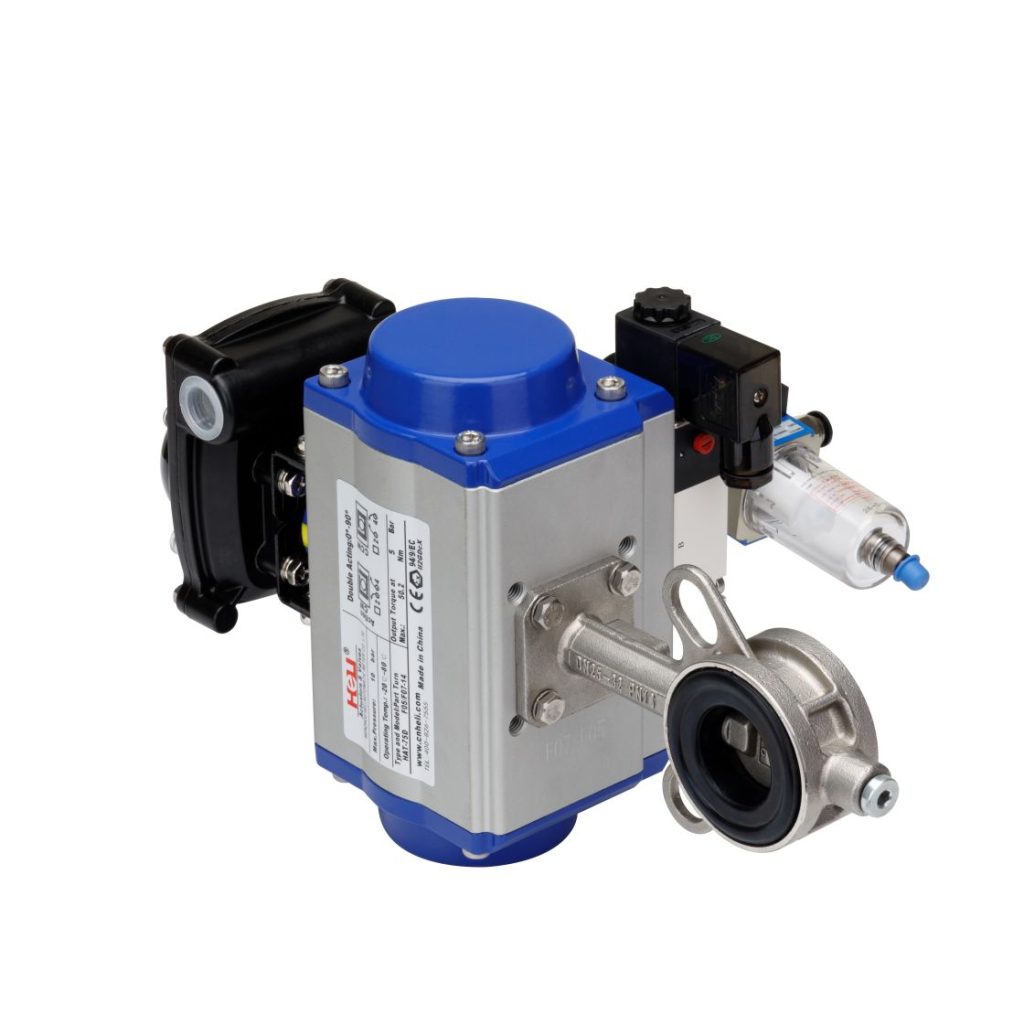
In the evolving world of renewable energy, hydrogen has emerged as a promising clean energy source due to its abundance, environmental benefits, and versatility. As the hydrogen economy continues to grow, the importance of safe and efficient infrastructure to store, transport, and utilize hydrogen has become increasingly crucial. One key component of this infrastructure is the Hydrogen Energy Pneumatic Butterfly Valve, an essential tool used for controlling hydrogen gas flow in various applications. This article delves into the design, functionality, and applications of the Hydrogen Energy Pneumatic Butterfly Valve, and highlights its significance in the hydrogen energy sector.
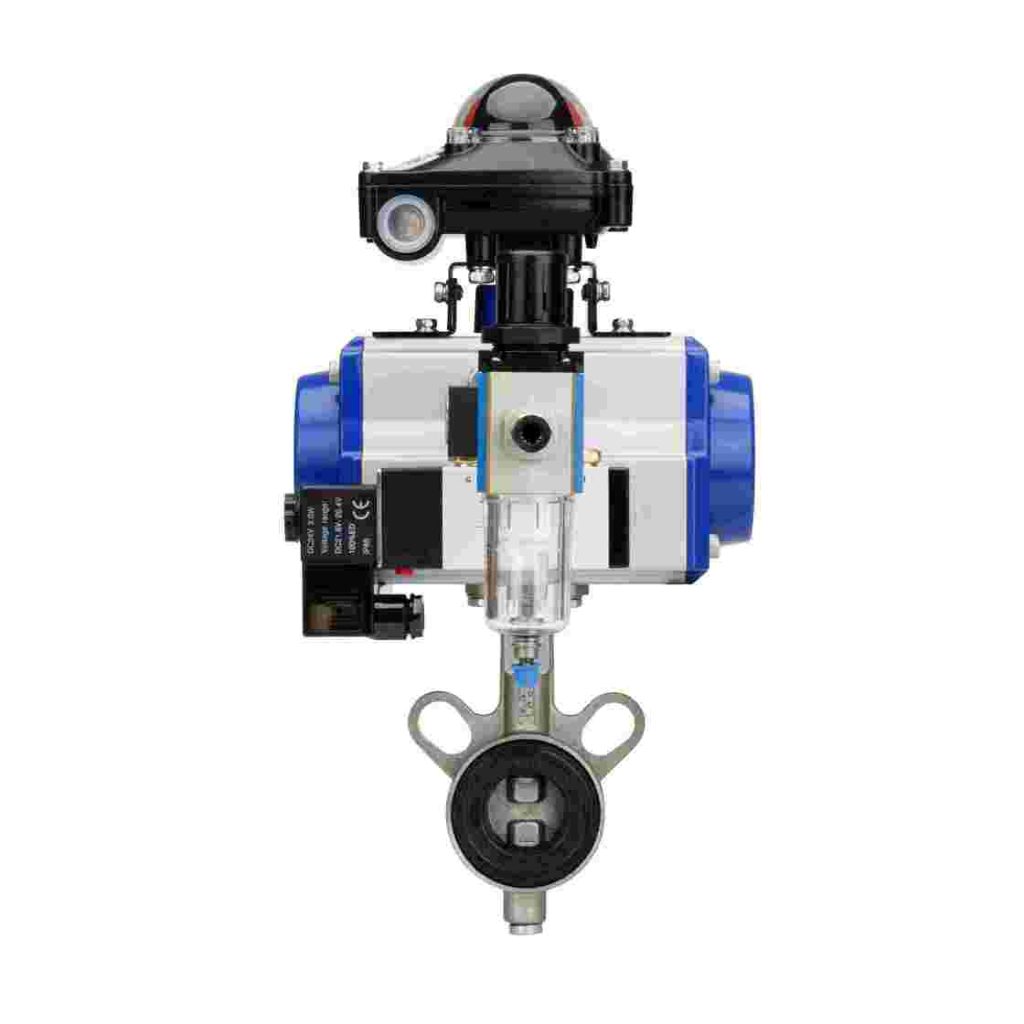
What is a Hydrogen Energy Pneumatic Butterfly Valve?
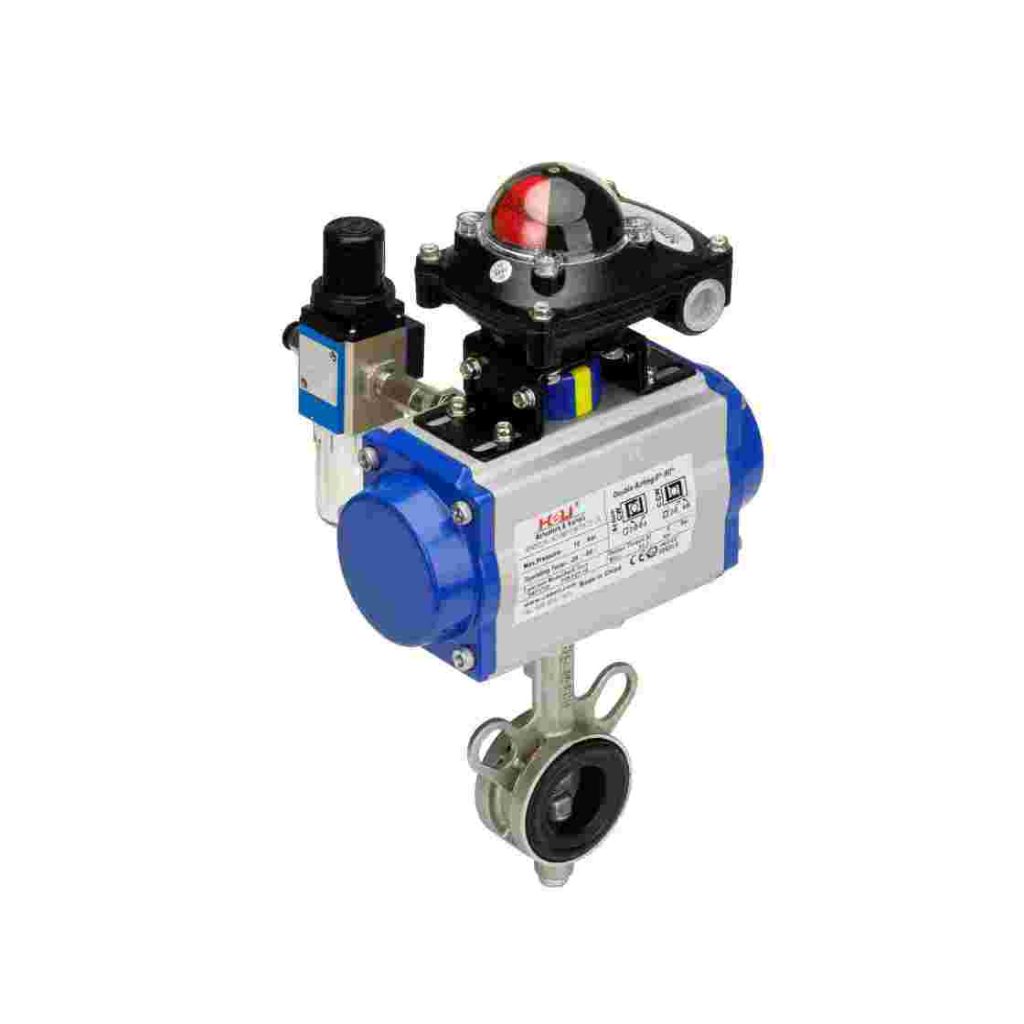
A pneumatic butterfly valve is a type of valve that uses a rotating disc (the butterfly) to regulate the flow of fluids or gases through a pipeline. The valve operates via a pneumatic actuator, which uses compressed air to rotate the butterfly valve, either opening or closing it to allow or restrict fluid flow. When applied to hydrogen energy systems, these valves are specifically designed to handle hydrogen gas, considering its unique properties and the challenges it presents. Hydrogen is known for its small molecular size and its tendency to diffuse through metals. Moreover, hydrogen can cause materials like steel to become brittle, a phenomenon known as hydrogen embrittlement. Given these challenges, a Hydrogen Energy Pneumatic Butterfly Valve must be built with materials that can withstand hydrogen exposure, such as corrosion-resistant alloys and specially designed seals that prevent leaks.