Safety is a paramount concern in any workplace, particularly in industries involving machinery, heavy equipment, and potentially hazardous environments. Among the various safety measures implemented to mitigate risks, safety lockout tags serve as a critical component in protecting workers from accidental injuries during maintenance and repair activities. This article delves into the significance of safety lockout tags, their features, best practices for usage, and their role in fostering a safe working environment.
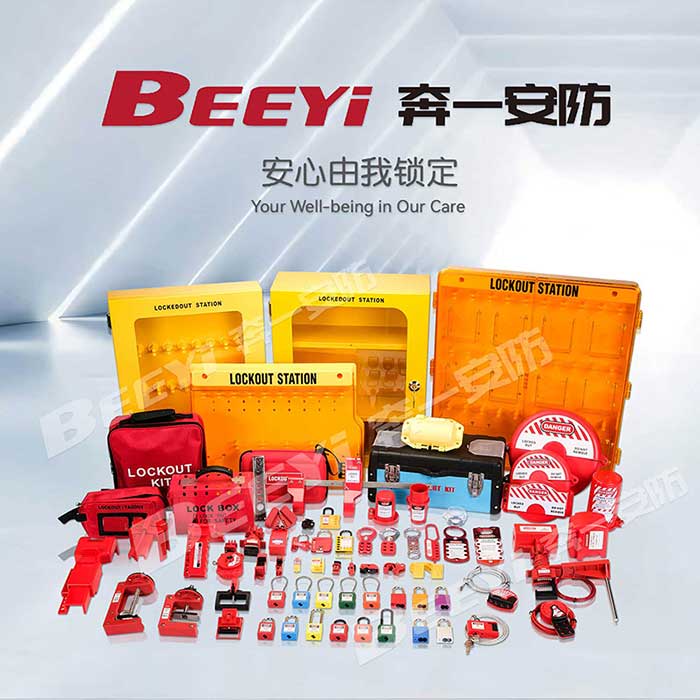
The Importance of Safety Lockout Tags Safety lockout tags are temporary markers used to indicate that a particular piece of equipment or machinery has been locked out for maintenance or repair purposes. They are typically used alongside lockout devices, which physically prevent machinery from being powered on unintentionally. The primary objective of these tags is to communicate to all personnel that the equipment is not to be operated, thereby reducing the chances of accidents, injuries, or fatalities. In industries where heavy equipment is commonplace, such as manufacturing, construction, and mining, the risks associated with unintentional machine startup are particularly high. Therefore, implementing proper lockout/tagout procedures, which include the use of safety lockout tags, is essential for maintaining employee safety and adhering to regulatory compliance established by organizations such as the Occupational Safety and Health Administration (OSHA).