In recent years, lithium-ion batteries have become the cornerstone of modern energy storage, powering everything from electric vehicles to portable electronics. With their high energy density and long lifecycle, these batteries offer immense advantages, yet they also carry inherent risks, particularly related to overheating, overcharging, and internal pressure buildup. One critical component that addresses these safety concerns is the Stainless Steel Lithium Battery Valve, a sophisticated safety device designed to protect both the battery and its surroundings.
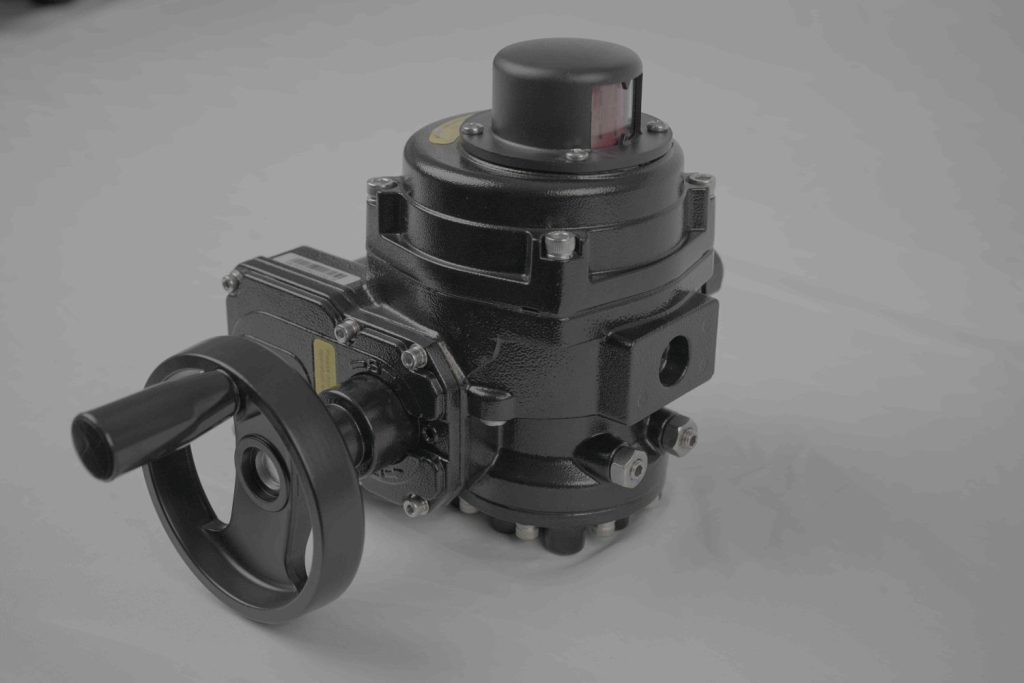
The primary function of a stainless steel lithium battery valve is to act as a pressure relief mechanism. During normal operation, lithium-ion batteries generate minimal internal gas. However, in cases of malfunction—such as thermal runaway, overcharging, or short circuits—gases can accumulate inside the battery casing. This pressure buildup, if unchecked, can lead to battery rupture or even explosion. The stainless steel valve mitigates this risk by opening when internal pressure exceeds a predefined threshold, safely releasing gases and preventing catastrophic failure. One of the key advantages of using stainless steel for these valves is its strength and corrosion resistance. Lithium batteries often operate in environments that involve high temperatures, humidity, and exposure to chemicals. Stainless steel’s durability ensures that the valve remains functional over the battery’s lifespan, maintaining both mechanical integrity and operational reliability. Furthermore, stainless steel allows for precise manufacturing tolerances, which are essential for controlling the valve’s opening pressure accurately.