Industrial relays play a pivotal role in the world of automation and control systems. These essential electrical devices serve as switches, allowing for the control of high-power devices through a low-power signal. From manufacturing lines to power plants, industrial relays are the unsung heroes that ensure the smooth operation and safety of countless machines and systems. In this article, we will explore the importance, working principles, types, and applications of industrial relays.
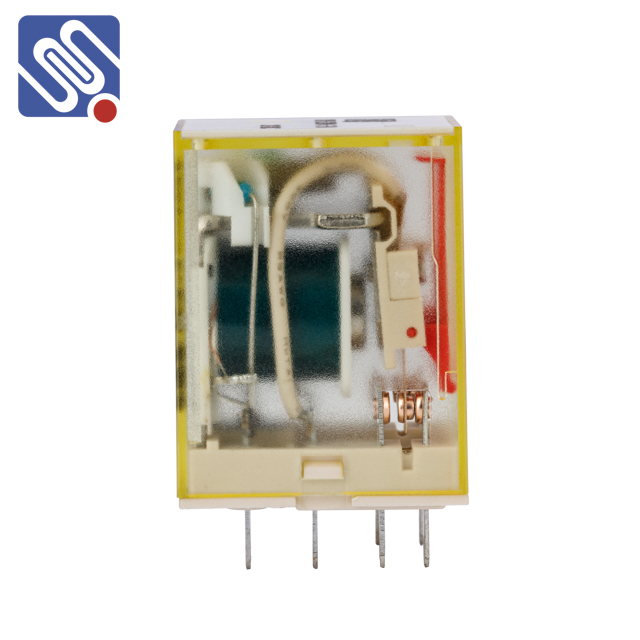
What is an Industrial Relay? At its core, an industrial relay is an electrically operated switch. It allows a low-power electrical signal to control the operation of a larger, high-power circuit. This is achieved by using a coil to generate a magnetic field that either opens or closes a set of contacts. The ability to control high-power circuits with low-power signals makes relays crucial in industrial applications, where managing large machinery and complex systems safely and efficiently is of utmost importance. Working Principles of Industrial Relays Industrial relays function on a simple principle: electromagnetism. When an electric current flows through the relay’s coil, it generates a magnetic field that activates the relay. This activation causes the relay’s contacts to either open or close, depending on the design. These actions, in turn, control the larger circuit that powers industrial machines or processes. This allows operators to control and automate complex systems while avoiding the risks and complications of direct electrical connections.