Arc-Free Relays are an essential component in modern electrical systems, offering a solution to one of the most significant challenges faced in high-power switching applications: the generation of electrical arcs. In this article, we will explore the concept of Arc-Free Relays, their mechanisms, applications, and why they are increasingly critical in enhancing the reliability, safety, and longevity of electrical systems.
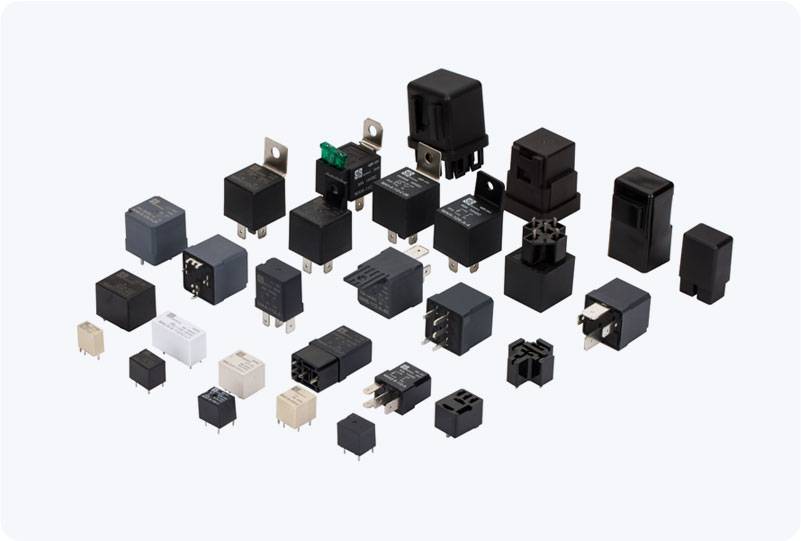
What is an Arc-Free Relay? An Arc-Free Relay is a type of relay specifically designed to eliminate or significantly reduce the occurrence of electrical arcs that are typically generated when the contacts of a relay open or close under load. In electrical systems, an arc is a visible plasma discharge between two conductive materials. When the contacts of a relay break while a high current is flowing through them, the energy released can cause a dangerous electrical arc, which may damage the relay contacts, affect system performance, or even lead to fire hazards. Arc-Free Relays are engineered to prevent this issue through advanced contact materials, contact design, and the use of arc-extinguishing techniques. The relay’s key advantage is its ability to ensure that high-voltage or high-current switching occurs without the harmful effects of arcing.