Relays play a crucial role in the electrical systems of modern cars. These small but essential components control various functions, from turning on the headlights to activating the starter motor. A relay is an electromechanical switch that uses a low-power signal to control a higher-power circuit. When a relay fails, it can cause a range of issues, from minor inconveniences to major malfunctions that prevent the car from starting or running properly. Understanding the different relay failure modes in cars is key to diagnosing and fixing these issues before they lead to more significant damage.
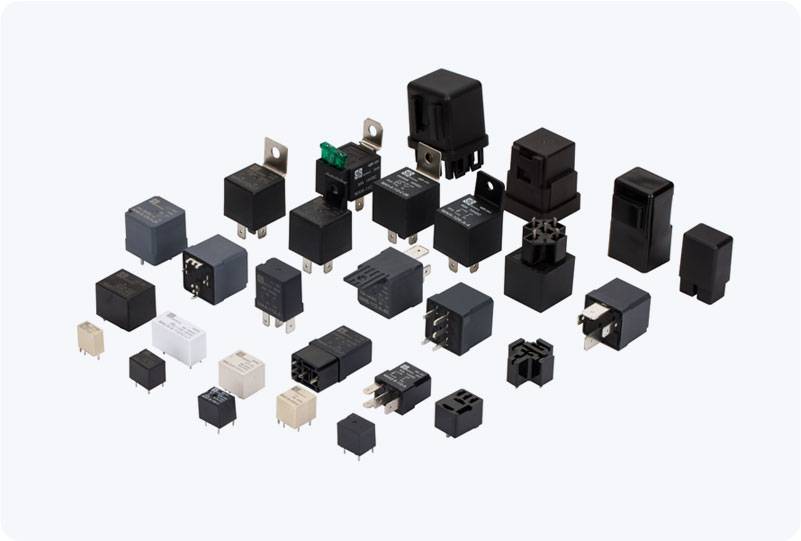
1. Sticking or Welded Contacts One of the most common failure modes in car relays is sticking or welded contacts. Relays have internal contacts that close or open in response to a magnetic field generated by the relay’s coil. Under normal operation, these contacts should open and close smoothly to control the flow of electricity. However, over time, the contacts can wear out or become welded together due to prolonged exposure to high current or repeated activation cycles. When the contacts become welded, the relay may either stay in an “on” or “off” state. For example, if the fuel pump relay sticks in the “on” position, the fuel pump may continue running even when the engine is off, leading to battery drain or fuel wastage. Similarly, if the starter relay sticks in the “off” position, the car may fail to start because the starter motor does not receive power.