The RoHS (Restriction of Hazardous Substances) Compliant Solenoid Valve represents a critical advancement in environmental safety, particularly in the context of industrial automation and electronic control systems. As the world shifts toward sustainability, the adoption of RoHS standards has become a necessity to minimize the environmental impact of electronic and electrical components. In this article, we will explore the significance of RoHS compliance in solenoid valves, the benefits of these valves, and why they are essential in modern-day applications.
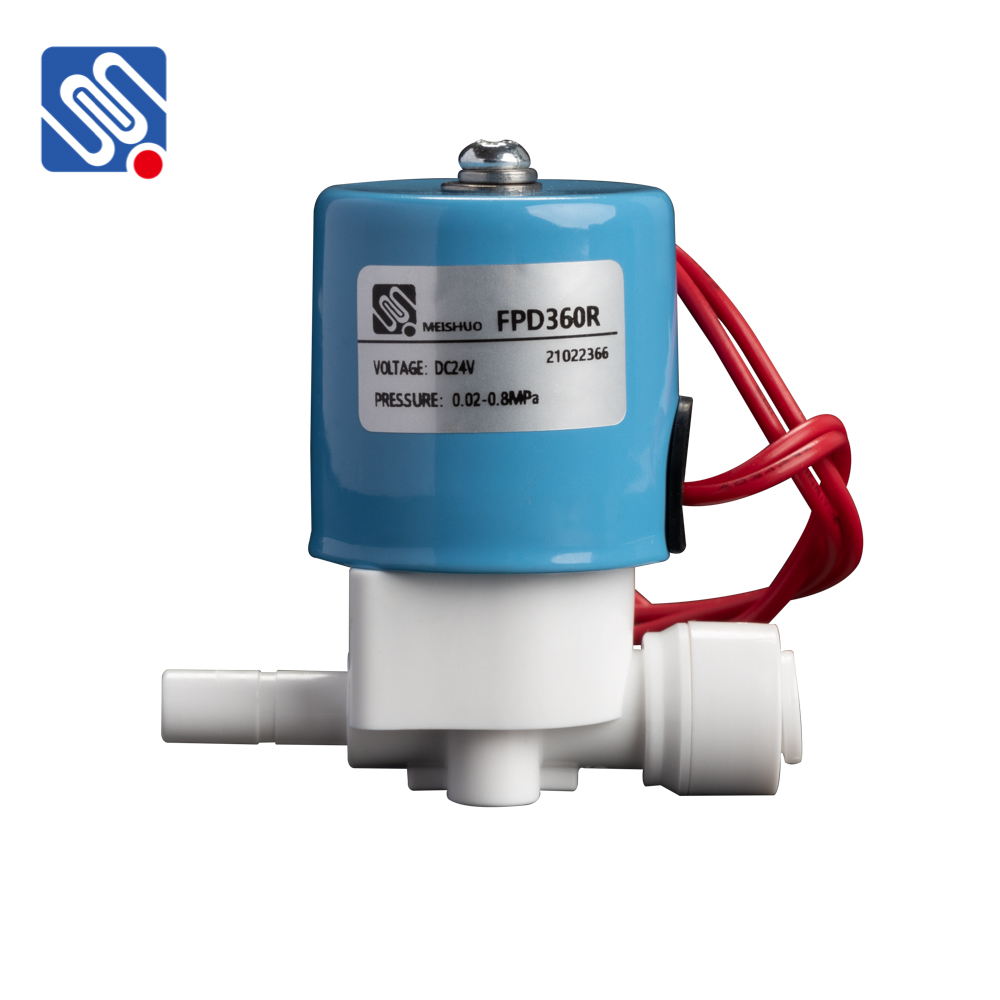
Understanding RoHS Compliance RoHS is a European Union directive that restricts the use of certain hazardous substances in electrical and electronic equipment. The directive aims to reduce the environmental impact of electronics by limiting substances such as lead (Pb), mercury (Hg), cadmium (Cd), hexavalent chromium (Cr(VI)), polybrominated biphenyls (PBB), and polybrominated diphenyl ethers (PBDE). These substances are toxic to both the environment and human health when they are disposed of improperly. For solenoid valves, being RoHS compliant means that these harmful substances are either entirely eliminated or reduced to levels well below the maximum permissible limits. By adopting RoHS standards, manufacturers ensure that their products meet stringent environmental requirements, making them safer for both consumers and ecosystems.