Hazardous environments, where flammable gases, vapors, dust, or other hazardous materials are present, require special safety measures to prevent accidents. One critical component in ensuring safety in these environments is the Hazardous Area Relay. This relay plays a crucial role in isolating electrical systems to avoid potential ignition sources that could trigger explosions or fires. This article explores the significance of hazardous area relays, their features, applications, and the standards they adhere to.
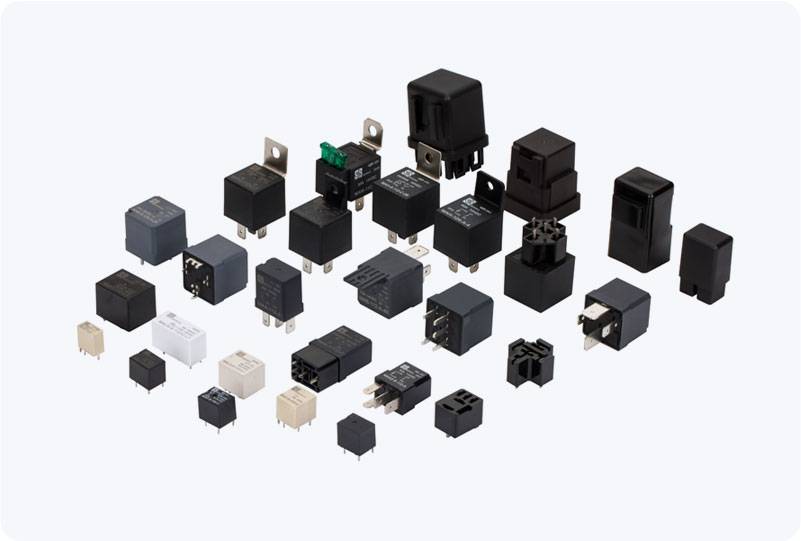
What is a Hazardous Area Relay? A Hazardous Area Relay is an electrical relay designed to operate safely in environments that are at risk of explosion due to the presence of flammable substances. These relays are specifically built to prevent electrical sparks, heat, or arcs that might ignite explosive gases, vapors, or dust. The relays ensure that, even in case of a malfunction, the electrical circuits do not cause a hazardous event. Key Features of Hazardous Area Relays Explosion Protection: The primary purpose of a hazardous area relay is to prevent the possibility of an electrical spark or heat source that could ignite explosive gases or dust in the atmosphere. These relays are typically housed in explosion-proof enclosures that can withstand external forces without compromising safety.