A 30A power relay is a crucial component in various electrical and electronic systems. Designed to manage higher currents up to 30 amps, these relays are used to control the switching of power-hungry devices. Whether in automotive, industrial, or household applications, the 30A relay plays a key role in managing large electrical loads with a low-voltage control signal. In this article, we will explore the working principle, applications, and benefits of the 30A power relay.
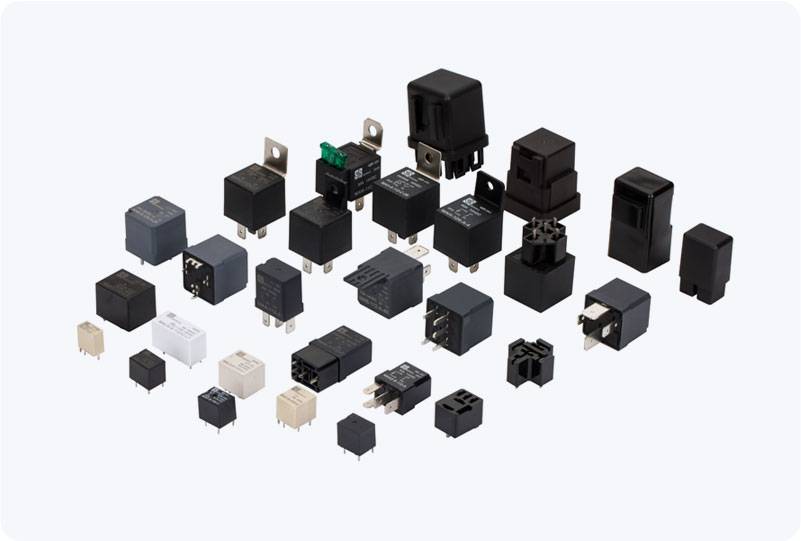
What is a 30A Power Relay? A power relay is an electrically operated switch used to control the flow of electricity in a circuit. It consists of an electromagnet, contacts, and a spring-loaded mechanism. When a small current is passed through the electromagnet, it creates a magnetic field that pulls or pushes the contacts together, completing the circuit and allowing larger currents to pass through. The 30A power relay is specifically designed to handle up to 30 amps of current, making it suitable for higher power applications. The ability of a relay to control large currents using low-voltage signals makes it a vital component in automated and remote control systems. The 30A relay typically has different types of contacts: Normally Open (NO), Normally Closed (NC), or Single Pole Double Throw (SPDT), which allows it to control a variety of devices.