A Building Water Supply Solenoid Valve is an essential component in modern water supply systems, particularly in buildings. This valve plays a crucial role in the automation of water flow control by using electrical signals to regulate water flow. The use of solenoid valves in building water systems helps to optimize water distribution, improve energy efficiency, and enhance the overall functionality of plumbing systems. This article explores the working principle, structure, types, applications, and selection considerations of building water supply solenoid valves.
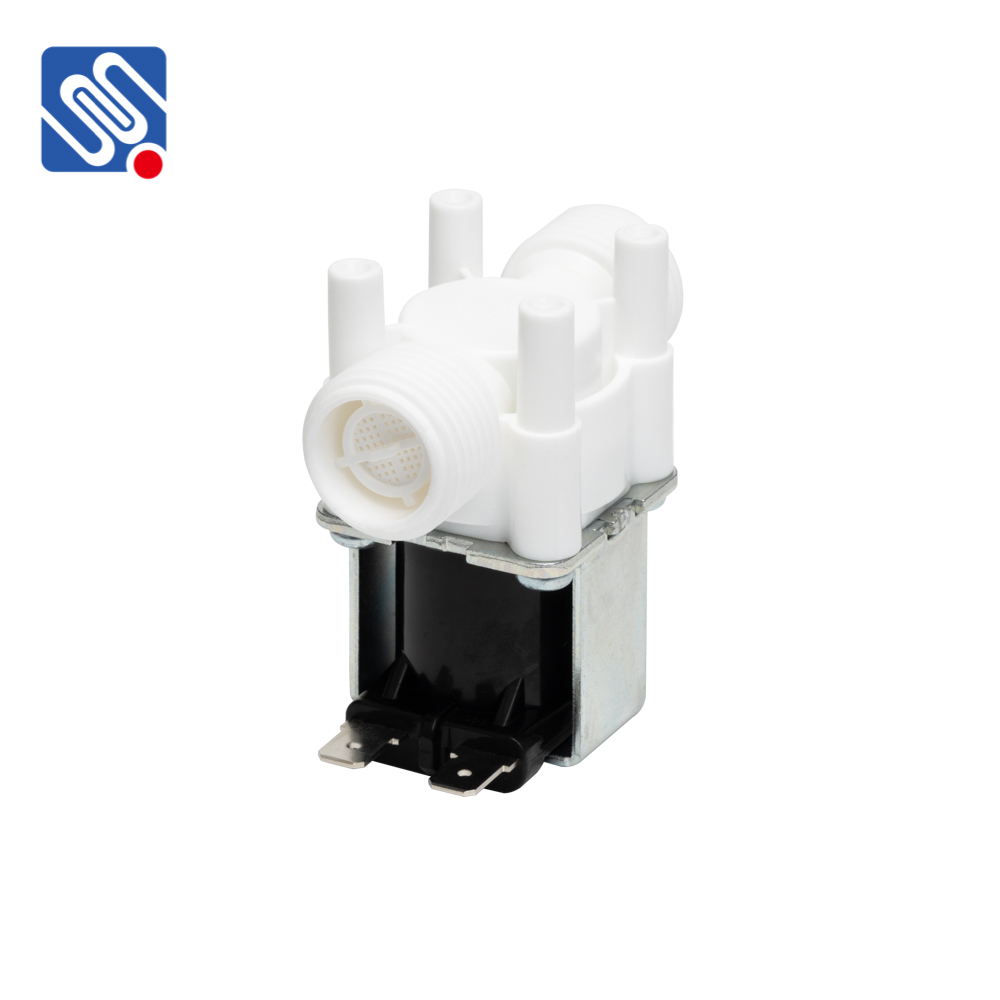
Working Principle The solenoid valve is an electromechanical device that controls the flow of water through a pipeline. It operates by using an electric current to generate a magnetic field, which in turn actuates a plunger or piston inside the valve. This movement opens or closes the valve, allowing or preventing the passage of water. The valve can be of two primary types: Normally Closed (NC): In this configuration, the valve remains closed when there is no electrical current passing through the solenoid coil. Once the coil is energized, the magnetic force opens the valve, allowing water to flow.