In the rapidly growing electric vehicle (EV) market, the need for reliable and efficient components has become more crucial than ever. Among these components, relays play a key role in ensuring the proper functioning of an EV’s electrical system. One such product that has garnered attention for its advanced features and high reliability is the Panasonic EV Relay. Specifically designed to meet the unique demands of electric vehicles, this relay helps optimize the performance of various systems within EVs. In this article, we will delve into the features, applications, and benefits of the Panasonic EV Relay and why it is becoming an essential component in the automotive industry.
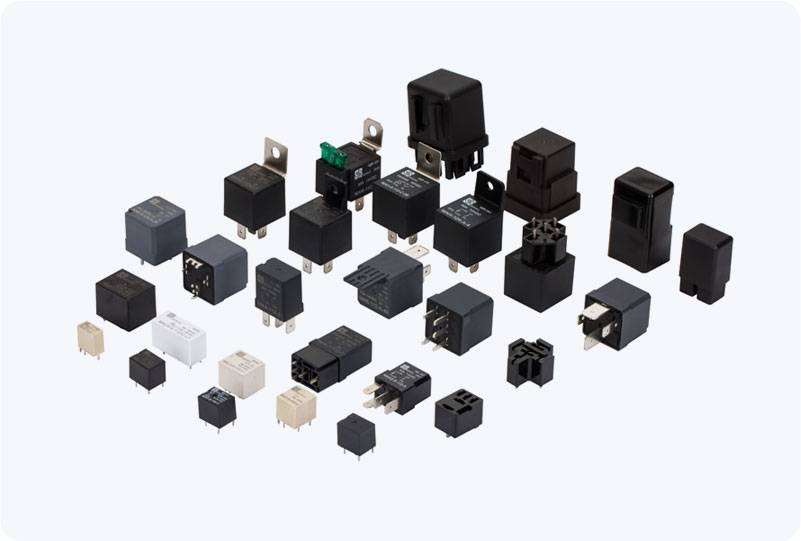
What is the Panasonic EV Relay? The Panasonic EV Relay is a high-performance switching device designed to control high voltage and high current in electric vehicles. It is primarily used for switching electrical circuits in systems such as the battery management system (BMS), charging systems, and motor drive circuits. The relay allows for precise control over the power flow, ensuring safe operation and efficient energy use in an EV. Key Features of Panasonic EV Relay High Voltage Tolerance: One of the standout features of the Panasonic EV Relay is its ability to handle the high voltages common in electric vehicle systems. Electric vehicles typically operate on voltages ranging from 200V to 800V, making it essential for any component, especially relays, to be able to withstand such levels without malfunctioning. Panasonic’s EV relay is specifically designed to manage these high voltage environments, providing seamless operation under demanding conditions.