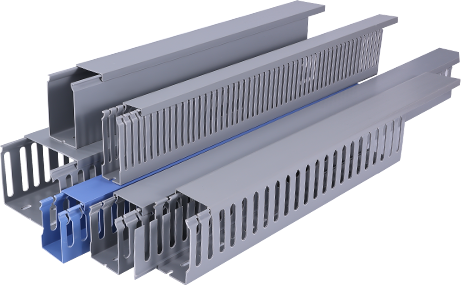
When discussing the critical components that keep modern aircraft safe and operational, most attention often goes to powerful engines, advanced avionics, or lightweight composite structures. However, one component that works quietly behind the scenes to ensure every electrical system functions reliably is the aviation wiring duct. Far from being a simple plastic or metal channel for holding wires, aviation wiring duct is a highly engineered solution designed to meet the extreme demands of flight, where even a minor wiring failure can lead to catastrophic consequences. As commercial and military aircraft continue to add more electrical systems for navigation, communication, and passenger comfort, the role of specialized wiring duct has only grown in importance, making it essential for design engineers and maintenance teams to understand its unique requirements and capabilities.
First, it is critical to understand the core functional requirements that set aviation wiring duct apart from standard industrial or commercial wiring enclosures. Unlike wiring ducts used in office buildings or factory equipment, aviation-grade ducts must withstand a wide range of extreme operating conditions that would destroy ordinary products. Aircraft operate at altitudes where temperatures can drop to -55 degrees Celsius and pressure can drop to less than 20% of sea-level pressure, while surface temperatures near engine components can exceed 150 degrees Celsius. In addition to temperature and pressure fluctuations, aviation wiring duct must resist vibration that can loosen connections or cause abrasion over thousands of flight hours, as well as exposure to hydraulic fluids, jet fuel, cleaning chemicals, and moisture that can cause corrosion or material degradation. Most importantly, all materials used in aviation wiring duct must meet strict flammability and smoke emission standards set by organizations like the Federal Aviation Administration (FAA) and European Union Aviation Safety Agency (EASA), as toxic smoke and rapid fire spread are major hazards in an enclosed aircraft cabin.
Secondly, modern aviation wiring duct design has evolved significantly to address the changing needs of next-generation aircraft, particularly with the rise of more electric aircraft (MEA) designs that replace traditional hydraulic and pneumatic systems with electrical alternatives. In older aircraft, wiring harnesses were often secured with tie wraps and clamped directly to airframe structures, which created higher risk of abrasion from vibration and made modifications or maintenance much more difficult. Modern pre-formed wiring ducts, by contrast, are shaped to fit the unique contours of an aircraft’s fuselage, wings, and avionics bays, allowing for organized separation of different wiring systems. This organization is critical: power cables for engines, data cables for avionics, and low-voltage cables for passenger entertainment must be separated to prevent electromagnetic interference (EMI) that can disrupt sensitive navigation and communication systems. Many modern aviation wiring ducts are now manufactured with integrated EMI shielding, or made from conductive composite materials that provide inherent protection against interference, eliminating the need for extra shielding layers that add weight and complexity.
In addition to performance benefits, modern aviation wiring duct also contributes to two of the aviation industry’s top priorities: weight reduction and maintenance efficiency. Every extra pound of weight on an aircraft increases fuel consumption and operating costs, so manufacturers are constantly seeking ways to reduce mass without sacrificing strength or safety. Traditional metal wiring ducts, while durable, are heavy and prone to corrosion. Modern engineering has led to the development of high-strength thermoplastic composites and modified phenolic materials that offer the same flame resistance and mechanical strength as metal, but weigh up to 40% less. For maintenance teams, pre-slotted and modular wiring duct designs make it much faster to access, repair, or replace individual wiring harnesses during scheduled inspections or upgrade projects, reducing aircraft downtime and maintenance labor costs. Unlike clamped hard-wire installations, which require cutting and re-fastening when changes are needed, modular wiring ducts allow technicians to simply remove a cover, add or remove wires, and close the duct in a fraction of the time.
Finally, as the aviation industry moves toward more sustainable operations and the development of electric urban air mobility (UAM) vehicles, the demand for innovative aviation wiring duct solutions will continue to grow. Electric vertical takeoff and landing (eVTOL) aircraft for urban air mobility require extremely lightweight, compact wiring systems that can handle high-voltage power distribution while fitting into small, aerodynamic airframes. New manufacturing technologies such as 3D printing are now being used to produce custom-formed aviation wiring ducts that match the exact geometry of a specific aircraft structure, eliminating extra material and reducing weight even further. These custom ducts can be produced in small batches quickly, making them ideal for the prototyping and low-volume production that is common in the emerging UAM market. Manufacturers are also developing recyclable thermoplastic materials for wiring ducts that meet all aviation safety standards, helping the industry reduce its environmental footprint over the full lifecycle of an aircraft.
In conclusion, aviation wiring duct is far more than a simple accessory for aircraft electrical systems; it is a critical engineered component that ensures safety, reliability, and efficiency in every flight. From withstanding extreme environmental conditions to enabling the advanced electrical systems that define modern air travel, this unsung component plays an essential role in aviation infrastructure. As the industry continues to innovate with more electric aircraft and urban mobility solutions, aviation wiring duct design will keep evolving to meet new demands, proving that even the most behind-the-scenes components can drive major progress in aviation technology.