The Battery Pack Main Relay (BPMR) plays a crucial role in modern electric vehicles (EVs) and other high-voltage battery systems. Often overlooked by casual observers, this component acts as a gatekeeper, controlling the flow of electricity between the battery pack and the vehicle’s electrical system. Its proper functioning is critical not only for performance but also for the safety of the vehicle and its occupants.
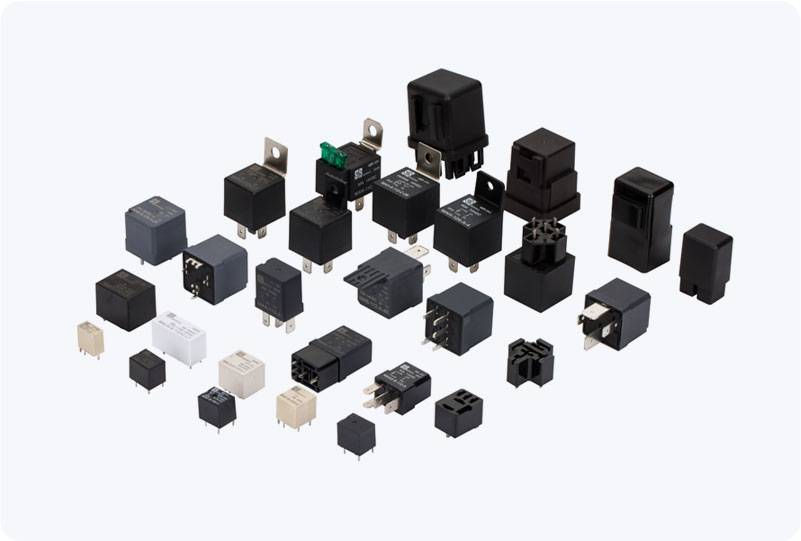
At its core, the Battery Pack Main Relay is an electromechanical switch designed to manage high current flow. Unlike smaller relays in traditional vehicles, the BPMR must handle hundreds of amperes of current, often at voltages exceeding 300 volts in electric vehicles. It functions as the primary control point, connecting or disconnecting the battery pack from the traction system or auxiliary loads. This switching capability allows the vehicle to safely manage energy distribution, turning power on and off as needed while protecting sensitive components from damage. One of the main responsibilities of the BPMR is safety management. In the event of a fault, such as a short circuit or overcurrent situation, the relay can quickly disconnect the battery pack from the system. This rapid response helps prevent thermal runaway, fires, and damage to the vehicle’s electronic systems. Furthermore, the relay works closely with the Battery Management System (BMS), which monitors parameters such as voltage, current, and temperature. The BMS sends signals to the relay to either close or open the circuit based on these parameters, ensuring the battery operates within safe limits.