As the global demand for renewable energy continues to surge, photovoltaic (PV) solar systems have become one of the most widespread and accessible solutions for residential, commercial, and utility-scale power generation. Behind every efficient and long-lasting PV system lies a well-designed electrical infrastructure, and one often overlooked but critical component of this infrastructure is the wiring duct for photovoltaic systems. Wiring ducts serve as organized protective pathways for the numerous cables and wires that connect solar panels, inverters, combiner boxes, and other system components, addressing a range of safety, performance, and maintenance challenges that come with exposed or improperly managed wiring. Without proper wiring duct installation, PV systems face increased risks of cable damage, electrical faults, and performance degradation that can undermine the return on investment of a solar installation. First, it is important to understand the core functions that a specialized wiring duct for photovoltaic systems fulfills in a solar installation. One of the primary roles is physical protection of PV cables, which are constantly exposed to harsh outdoor conditions including intense UV radiation, extreme temperature fluctuations, moisture, wind-blown debris, and even accidental damage from maintenance activities or wildlife. Unlike indoor wiring ducts that are not designed for outdoor exposure, PV-specific wiring ducts are manufactured with materials that resist UV degradation, preventing brittleness, cracking, or discoloration that would compromise protection over time. Additionally, wiring ducts organize all system cables into a single, clear pathway, eliminating tangled wiring that can make troubleshooting and routine maintenance far more difficult for technicians. This organization also reduces the risk of electrical shorts or ground faults caused by damaged cable insulation coming into contact with metal mounting structures or wet surfaces, directly improving the overall safety of the PV system. Secondly, selecting the appropriate material for a wiring duct for photovoltaic systems is critical to matching the specific demands of different installation environments. The most common materials used for PV wiring ducts are UV-stabilized PVC, rigid non-metallic polycarbonate, and aluminum, each with distinct advantages for different use cases. UV-stabilized PVC ducts are the most cost-effective option for small residential rooftop installations, offering solid UV resistance and enough structural strength to hold standard PV cables at a lower price point than other materials. For larger commercial or utility-scale installations that require higher durability and flame resistance, polycarbonate ducts are often preferred, as they offer superior impact resistance, can withstand wider temperature ranges from -40°C to 120°C, and are self-extinguishing in the event of an electrical fault. Aluminum wiring ducts, on the other hand, are ideal for installations that require extra heat dissipation, as aluminum conducts heat away from cables more effectively than non-metallic options, reducing the risk of overheating that can lower cable efficiency and shorten service life. When choosing a material, installers must also consider local climate conditions: for regions with frequent heavy snowfall or high wind, more rigid, heavy-duty ducts are necessary to withstand additional structural stress. Another key consideration when planning for a wiring duct for photovoltaic systems is sizing and installation best practices, which directly impact system performance and long-term maintainability. Undersized wiring ducts can force installers to cram too many cables into a limited space, increasing heat buildup and making it difficult to add or replace cables later if the system is expanded. Most industry guidelines recommend leaving at least 20 to 30 percent of empty space in the wiring duct to accommodate future expansions and allow for air circulation that cools cables. During installation, it is important to seal all entry and exit points of the duct with weatherproof gaskets or silicone sealant to prevent moisture, dust, and insects from entering the duct, as accumulated moisture can cause corrosion on cable connectors and increase insulation breakdown risk. Additionally, wiring ducts should be mounted securely to mounting racks or rooftop structures with corrosion-resistant fasteners, and spaced appropriately to prevent sagging that can put unnecessary strain on cables and connection points. Proper routing is also critical: ducts should be routed away from sharp edges that could cut cable insulation, and kept clear of areas that receive constant direct water runoff to minimize long-term moisture exposure. Furthermore, modern wiring duct solutions for photovoltaic systems are evolving to meet the changing needs of the solar industry, with new designs that improve installation efficiency and system performance. Pre-split wiring ducts, for example, allow installers to place cables into the duct without pulling them through the entire length of the duct, cutting installation time by up to 50 percent compared to solid closed ducts. Some manufacturers also offer modular wiring duct systems that can be easily cut and connected on-site, adapting to irregular installation layouts that are common on complex commercial rooftops or ground-mounted PV arrays. These modular designs also make it easier to access cables for maintenance or system upgrades, as sections of the duct can be removed and replaced without disturbing the entire cable run. For residential installations, low-profile wiring duct designs are available that blend in with rooftop aesthetics, reducing visual clutter while still providing full protection for system cables. In conclusion, the wiring duct for photovoltaic systems is a small but indispensable component that contributes significantly to the safety, longevity, and performance of solar power installations. Cutting corners on wiring duct quality or installation can lead to costly repairs, increased downtime, and even safety hazards that put property and personnel at risk. By understanding the core functions of wiring ducts, selecting the appropriate material and size for the specific installation environment, following industry best practices for installation, and leveraging modern modular designs that improve efficiency, system designers and installers can ensure that a PV system operates at peak efficiency for its entire 25 to 30 year service life. As the solar industry continues to grow and PV systems become more powerful and complex, the role of high-quality specialized wiring ducts will only become more important in supporting the global transition to renewable energy.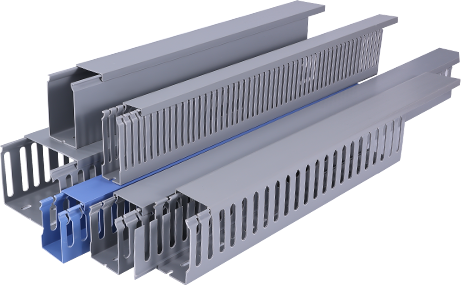
Choosing and Installing the Right Wiring Duct for Photovoltaic Systems
by
Tags: