Pneumatic systems are commonly used across various industries, powering tools, machinery, and equipment with compressed air. While these systems are efficient and essential for daily operations, they also pose safety risks, particularly during maintenance or service. Pneumatic lockouts play a crucial role in preventing accidental releases of pneumatic energy, ensuring a safe environment for workers. This article delves into the technical support related to pneumatic lockouts, exploring their installation, maintenance, troubleshooting, and safety aspects.
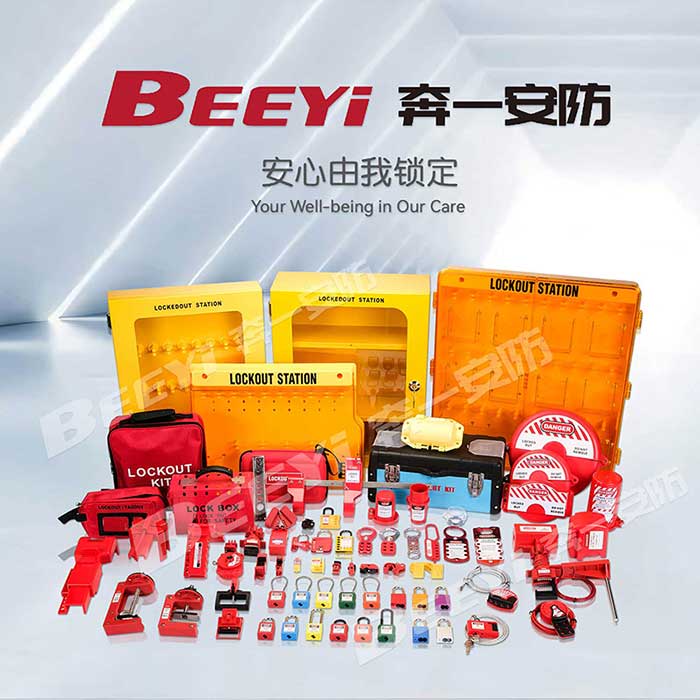
1. Understanding Pneumatic Lockouts Pneumatic lockouts are safety devices designed to isolate pneumatic energy sources during maintenance or servicing of equipment. These devices lock the pneumatic system’s valves, preventing air pressure from being accidentally released. Pneumatic lockouts are essential in protecting workers from dangerous situations, such as unexpected activation of equipment or tool movement when it is being worked on. 2. Installation of Pneumatic Lockouts Proper installation is the first step in ensuring that pneumatic lockouts function effectively. Installation support typically involves guiding users to secure the lockout devices on the correct components of the pneumatic system. This could include valves, pressure regulators, or quick-connect couplings. For most systems, pneumatic lockouts come with clear installation instructions and diagrams, but technical support can be crucial in situations where the system is unique or the lockout devices require customization.