In today’s increasingly connected world, every residential, commercial, and industrial space relies on a complex network of electrical wires and data cables to power daily operations and connect devices. While most people focus on visible elements like outlets, switches, and smart appliances, the hidden infrastructure that organizes and protects these cables plays an equally critical role. Among these hidden components, concealed wiring duct stands out as a practical, versatile solution that addresses many common challenges associated with cable management. Unlike exposed wiring that creates clutter and safety hazards, concealed wiring duct integrates seamlessly into building structures, keeping cables organized, protected, and out of sight while maintaining accessibility for future maintenance or upgrades.
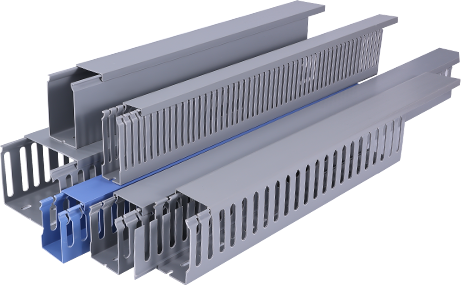
First, it is important to understand what concealed wiring duct is and how it differs from other cable management solutions. Concealed wiring duct, also known as concealed cable trunking, is a specialized enclosure designed to house electrical wires, data cables, and communication lines within walls, floors, ceilings, or baseboards, rather than leaving them exposed on the surface. It is typically constructed from durable materials such as rigid PVC, galvanized steel, or aluminum, offering fire resistance, impact protection, and insulation to prevent electrical hazards. Unlike open cable trays or surface-mounted trunking, concealed wiring duct is installed within building cavities or covered by decorative finishes, so it does not disrupt the aesthetic of a space. This key feature makes it particularly popular in modern design projects where clean, uncluttered lines are a top priority.
Secondly, concealed wiring duct offers significant safety benefits that make it a preferred choice for both new construction and renovation projects. Exposed wiring is vulnerable to damage from foot traffic, moving furniture, moisture, and pests, which can lead to frayed insulation, short circuits, or even electrical fires. Concealed wiring duct encloses all cables in a protective shell, shielding them from physical damage and environmental factors that could compromise their integrity. Additionally, most high-quality concealed wiring duct products are manufactured with fire-retardant materials, which can slow the spread of fire in the event of an electrical fault, giving building occupants more time to evacuate and reducing property damage. For commercial and public buildings, this compliance with global electrical safety codes is not just a benefit—it is a legal requirement, and concealed wiring duct makes it easy to meet these strict standards.
Another major advantage of concealed wiring duct is its positive impact on the aesthetic and functionality of interior spaces. In residential homes, open wires running along walls or across floors create an unsightly mess that can ruin the look of a carefully designed room. For commercial spaces like offices, retail stores, or conference centers, exposed cables can look unprofessional to clients and create tripping hazards for employees and visitors. Concealed wiring duct eliminates these issues by keeping all cables hidden from view, allowing architects and interior designers to maintain clean, minimalist designs without sacrificing connectivity. Furthermore, unlike running cables directly inside wall cavities without a duct, concealed wiring duct keeps all cables organized and separated, making it much easier to trace a specific cable, add new lines, or replace old wiring without needing to cut open entire sections of a wall. This accessibility reduces maintenance time and costs significantly over the lifespan of a building.
Additionally, concealed wiring duct supports the growing demand for flexible, future-ready building infrastructure. As technology evolves, more and more devices require power and data connectivity, from smart home systems and high-speed internet networks to commercial audio-visual equipment and electric vehicle charging stations. Concealed wiring duct provides extra space within its enclosure to add new cables years after the initial installation, so building owners do not need to undergo major renovations to accommodate new technology. This flexibility is especially valuable in commercial spaces, where office layouts and technology requirements change frequently. Many modern concealed wiring duct systems also feature divided compartments that separate power cables from data cables, preventing electromagnetic interference that can degrade the performance of high-speed internet and communication signals. This separation ensures consistent, reliable performance for all connected devices.
Finally, while the upfront cost of installing concealed wiring duct may be slightly higher than surface-mounted options or exposed wiring, it offers long-term value that outweighs the initial investment. The durable construction of quality concealed wiring duct means it can last for decades with minimal maintenance, reducing the need for frequent repairs or replacements. It also increases the overall value of a property, as potential buyers or tenants recognize the safety, organization, and future flexibility that a well-designed concealed wiring system provides. For renovation projects, surface-mounted concealed wiring duct (which is installed along the base of walls and covered by baseboard trim) offers a cost-effective alternative to opening up walls, making it easy to upgrade older wiring systems without major construction disruption.
In conclusion, concealed wiring duct is a critical yet often overlooked component of modern building infrastructure that combines safety, aesthetics, flexibility, and long-term value. Whether for a new residential build, a commercial office renovation, or an industrial facility upgrade, it provides a reliable, organized solution for managing electrical and data cables that meets the needs of today’s connected world. By choosing the right concealed wiring duct system for your project, you can create a safe, beautiful, and future-ready space that will serve you well for decades to come.