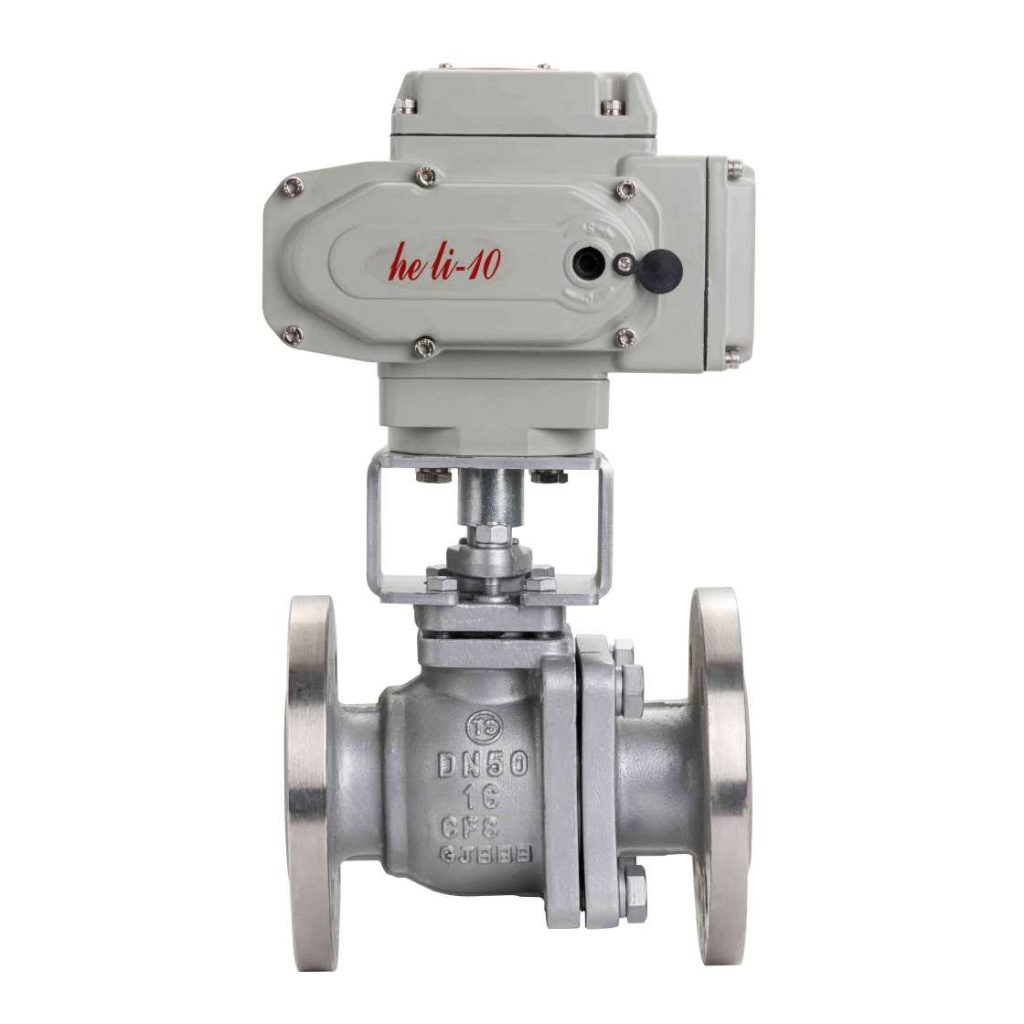
The industrial world continually seeks solutions to enhance efficiency, safety, and durability, particularly in processes involving highly corrosive fluids. One such innovation is the electric anti-corrosion ball valve, a critical component used in a wide range of industries. These valves are designed to control the flow of fluids while resisting the damaging effects of corrosive environments, ensuring the longevity of equipment and systems. The role of an electric anti-corrosion ball valve manufacturer is vital, as they supply industries with specialized valves that meet stringent requirements in chemical processing, water treatment, and other sectors. In this article, we will explore the significance of these valves, their applications, and the factors to consider when choosing a manufacturer.
What is an Electric Anti-Corrosion Ball Valve?
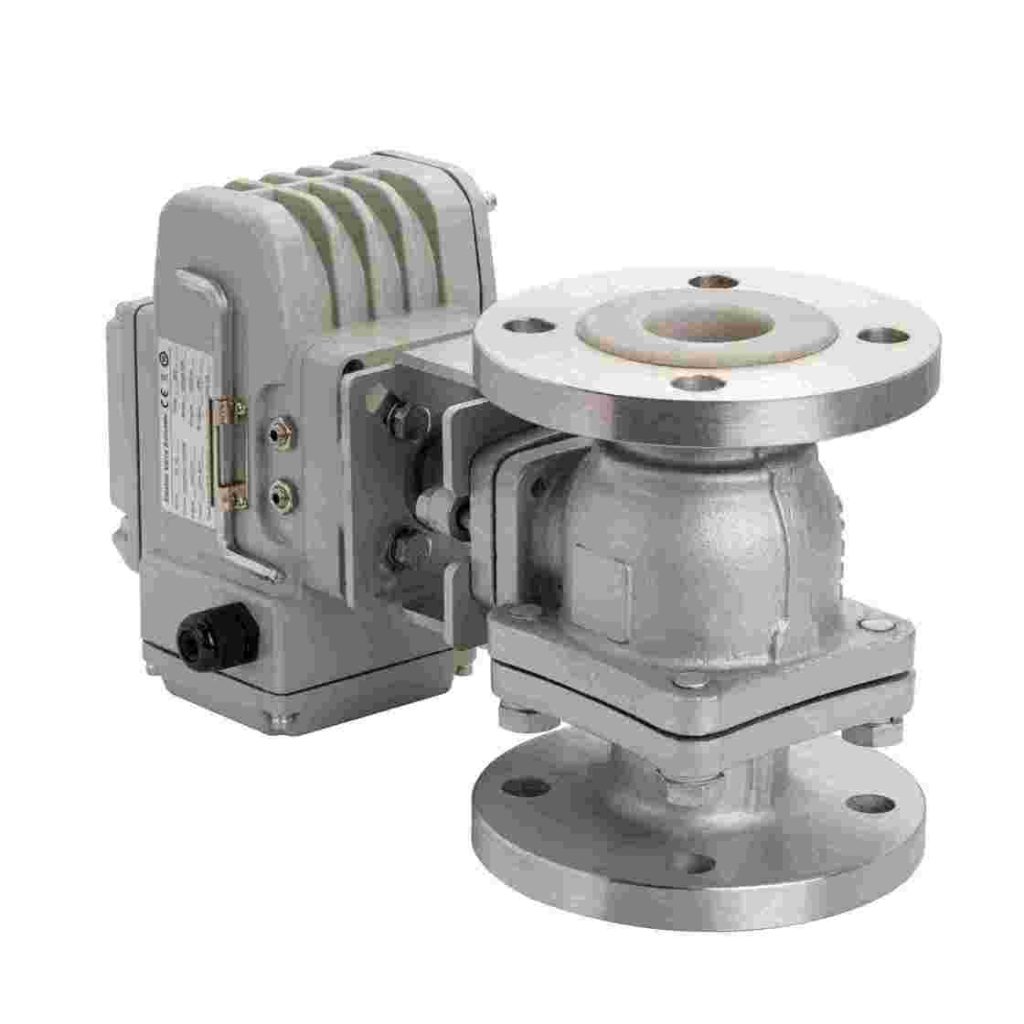
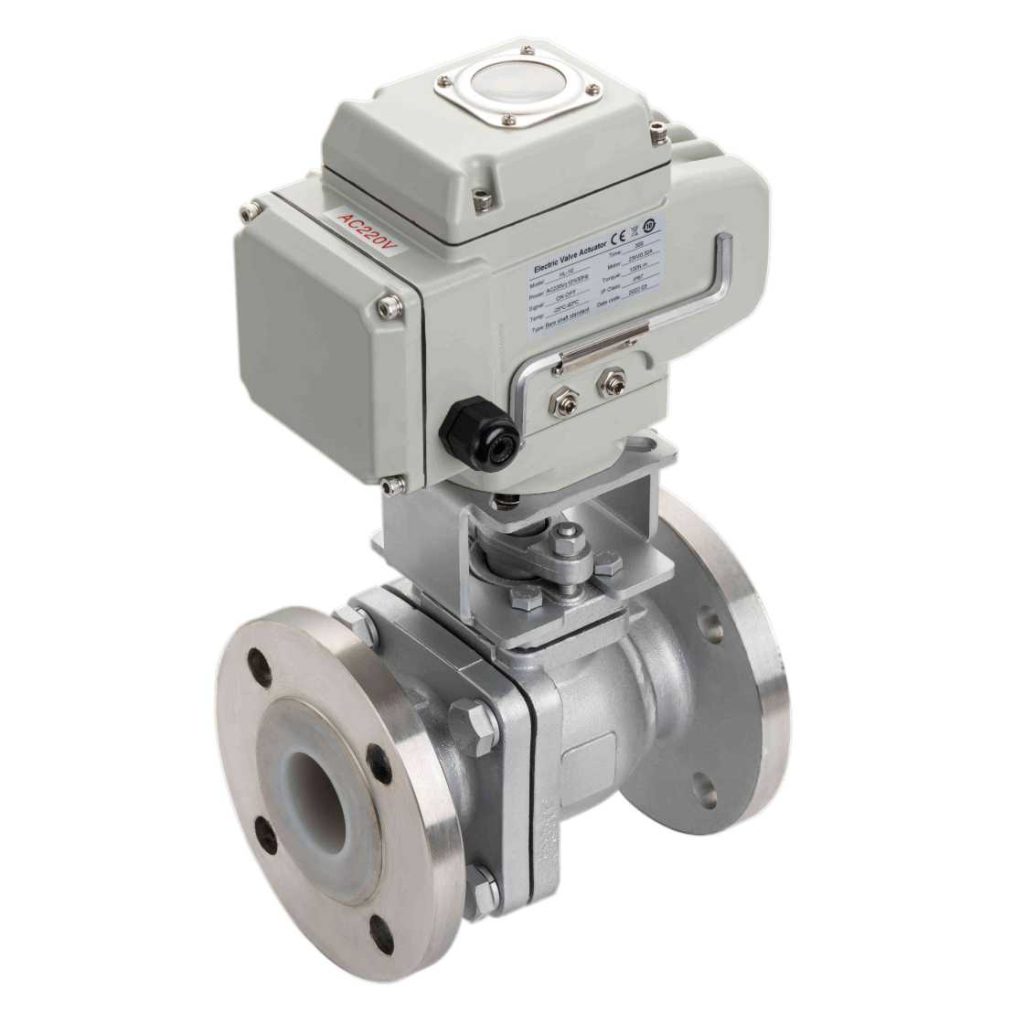
An electric anti-corrosion ball valve is a valve that combines the functionality of a ball valve with the convenience of an electric actuator. Ball valves are known for their simple yet effective design, which allows for quick opening and closing with minimal resistance to flow. The addition of an electric actuator enables remote control, automation, and precise operation, making it an ideal solution for systems that require frequent adjustments without human intervention. The term “anti-corrosion” refers to the materials used in the valve construction, which are specifically designed to resist corrosion from harsh chemicals, acids, or other aggressive fluids. These valves are typically made from corrosion-resistant metals like stainless steel or are coated with materials like PTFE (polytetrafluoroethylene) or PVDF (polyvinylidene fluoride) to ensure they can withstand the conditions in corrosive environments.