Electric two-seat regulating valves are an essential component in various industrial applications where precise control of fluid or gas flow is necessary. These valves play a critical role in industries such as chemical processing, water treatment, HVAC systems, and power generation, ensuring efficiency, safety, and optimal performance. OEM (Original Equipment Manufacturer) producers of these valves are continually innovating to meet the diverse demands of these industries. This article explores the significance of electric two-seat regulating valves, their advantages, and the role of OEM manufacturers in delivering advanced solutions.
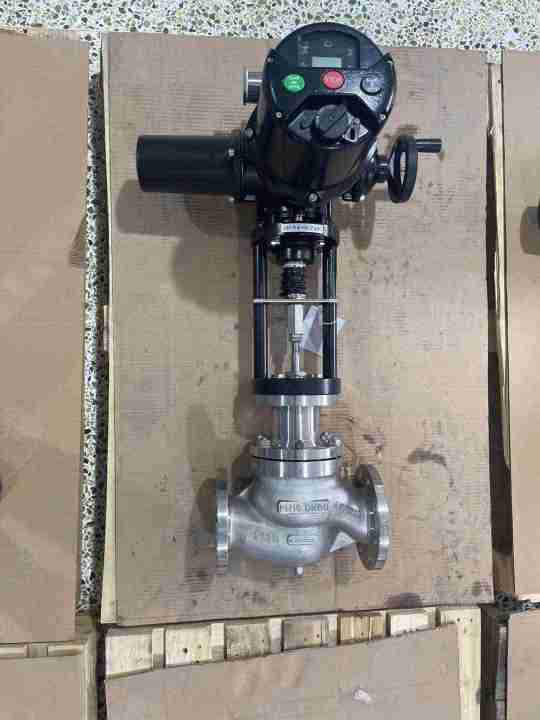
The Functionality and Design of Electric Two-Seat Regulating Valves Electric two-seat regulating valves are engineered to control the flow of fluids or gases with exceptional accuracy. The term “two-seat” refers to the valve’s design, which features two seating surfaces that allow for a more secure and efficient seal, minimizing leakage and enhancing performance. This feature is particularly important in applications where minimal flow disturbance and tight shutoff are required. The electric actuator integrated into these valves is a critical component, providing precise control over the valve position. Unlike pneumatic or manual actuators, electric actuators offer the advantage of easier integration into automated control systems. This electronic control enables remote operation, precise adjustments, and improved overall system performance. Additionally, the ability to regulate flow, pressure, and temperature through electronic signals makes these valves indispensable in modern industrial processes that require continuous monitoring and adjustment.