The Optocoupler Protected Relay Module is an essential component in modern electronics, particularly in systems where safety and reliability are paramount. By combining the functions of an optocoupler and a relay, this module provides an effective solution for controlling high voltage devices with a low-voltage control circuit while ensuring electrical isolation. In this article, we will explore the structure, functionality, benefits, and applications of the Optocoupler Protected Relay Module.
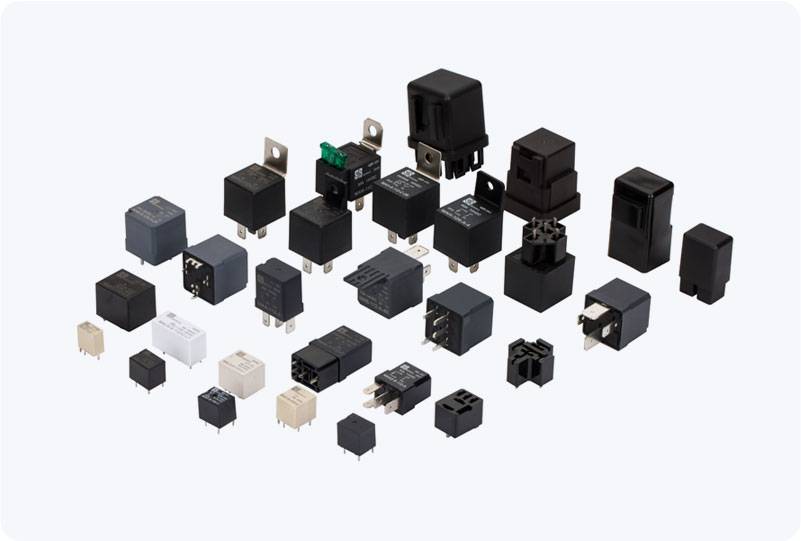
What is an Optocoupler Protected Relay Module? An Optocoupler Protected Relay Module is an integrated device that combines an optocoupler (also known as an optoisolator) and a relay. The optocoupler provides electrical isolation between the low-voltage control side and the high-voltage load side, ensuring that the control circuit is protected from electrical surges, spikes, or faults. The relay, on the other hand, is responsible for switching high-power or high-voltage devices, such as motors, lights, or other heavy-duty electrical equipment. The module typically uses a low-voltage signal to trigger the relay’s operation, which in turn activates or deactivates the high-voltage circuit. The optocoupler ensures that the control circuit, often a microcontroller or microprocessor, is electrically isolated from the high-voltage load, making it ideal for applications where safety is a concern.