Latching relays, also known as bistable relays, are unique components in the world of electrical engineering. Unlike standard relays, which require continuous power to maintain their position, latching relays use a pulse to switch between two stable states and can retain their position without consuming any power. This feature makes them highly advantageous in a range of applications, especially where power conservation is crucial or where maintaining a state over long periods is necessary. In this article, we will explore the inner workings, benefits, and practical applications of latching relays in various industries.
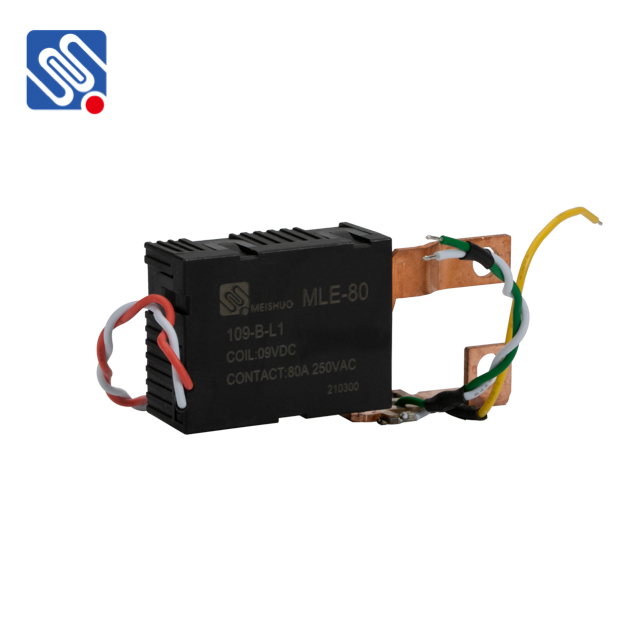
What is a Latching Relay? At its core, a latching relay is a type of relay that has two stable states. It switches from one state to another via a short electrical pulse. Once the relay has switched to a new state, it will stay in that position without requiring any continuous power input. This makes latching relays ideal for applications where it is essential to remember or maintain a specific state over time, even in the event of power loss. Latching relays work on a principle called “bistability”—meaning they have two distinct positions, and either position is stable without the need for constant power. When a pulse is applied to the relay, it toggles between these two states, and once toggled, it remains in the new state until another pulse is applied to change it again.