Ground Fault Protection Relay: A Crucial Component for Electrical Safety
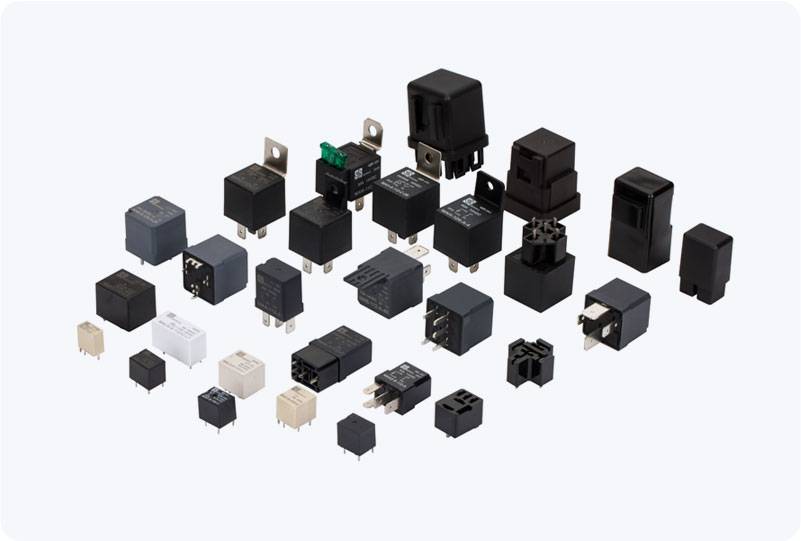
Ground Fault Protection Relays (GFPR) are critical safety devices used in electrical systems to detect and protect against ground faults, which occur when there is an unintended path for current to flow to the ground. This type of fault can pose serious risks, including electrical fires, equipment damage, and even fatalities due to electric shock. In this article, we will explore the function, working principle, applications, and key considerations for setting up and maintaining Ground Fault Protection Relays. What is a Ground Fault Protection Relay? A Ground Fault Protection Relay is a protective relay that monitors electrical circuits for ground faults, which are situations where a conductor becomes unintentionally connected to the earth or ground. These faults can happen due to insulation breakdown, improper wiring, or equipment failures. The primary purpose of GFPRs is to identify these faults as soon as they occur and take protective action, either by triggering an alarm or initiating a circuit breaker to disconnect the affected section of the circuit. This quick response helps mitigate the risks associated with ground faults, including electrocution hazards and damage to electrical equipment.