A High Flow Solenoid Valve is an essential component in many industrial applications where high flow rates of gases or liquids are required to pass through a system quickly and efficiently. As a type of electrically controlled valve, it uses an electromagnetic coil to control the opening and closing of a valve, providing a rapid response to changes in system demands. In this article, we will explore the working principles, advantages, key features, and applications of high flow solenoid valves in various industries.
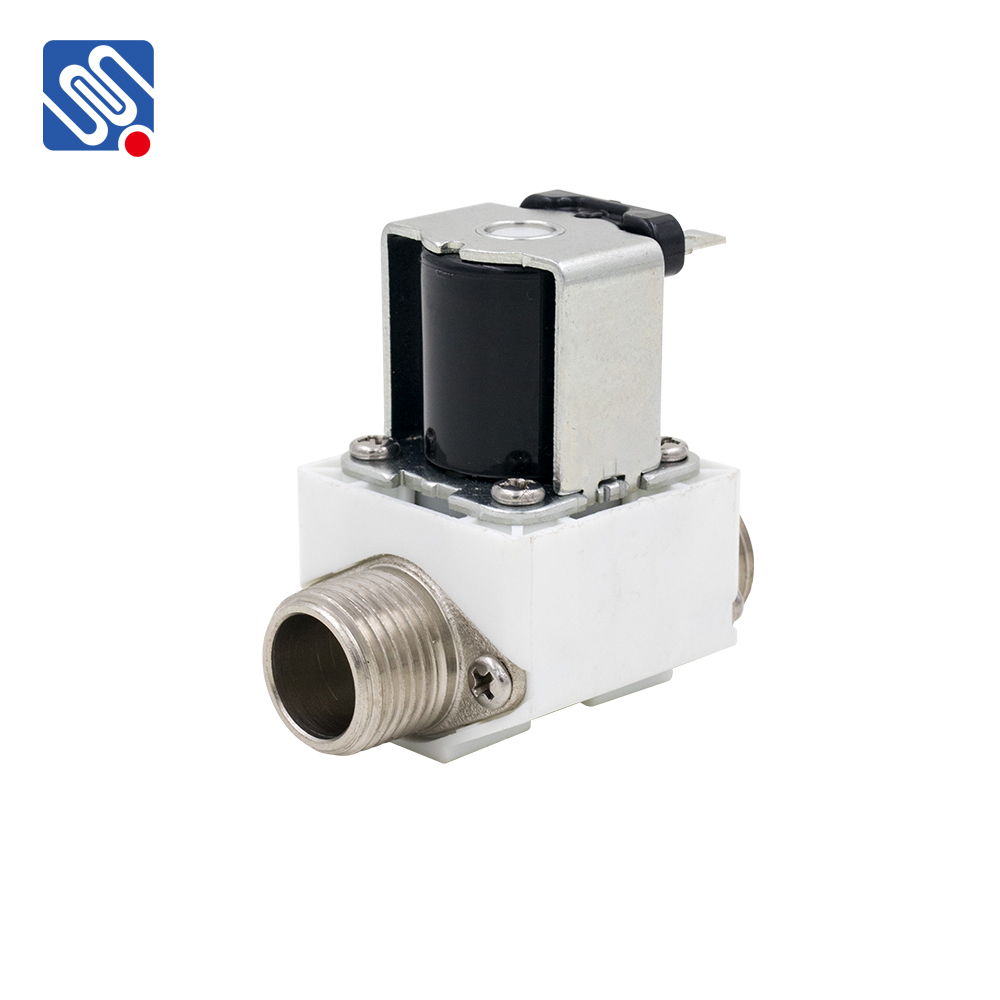
What is a High Flow Solenoid Valve? A solenoid valve is a device that controls the flow of a fluid (liquid or gas) by using an electromagnetic solenoid to open or close the valve. A High Flow Solenoid Valve is a specialized version designed for applications requiring the rapid and efficient passage of larger volumes of fluid. These valves are specifically engineered to handle higher flow rates than standard solenoid valves, which makes them ideal for use in systems where the speed and volume of fluid movement are critical. How Does a High Flow Solenoid Valve Work? The basic operation of a high flow solenoid valve is similar to that of a regular solenoid valve, with one key difference: the valve is built with larger internal passages and a more robust solenoid design to support higher flow rates. The working principle is as follows: