In industrial and commercial settings, safety is paramount, especially when dealing with electrical systems and machinery. Electrical hazards, including electrocution and accidental machine activation, pose significant risks to workers. To mitigate these dangers, one of the most critical tools in the safety toolbox is the electrical lockout device. These devices are specifically designed to isolate electrical energy and ensure that workers are protected from accidental electrical releases during maintenance or repair activities. Among the many options available, high-quality electrical equipment lockouts from specialized factories stand out due to their durability, reliability, and ability to meet regulatory requirements.
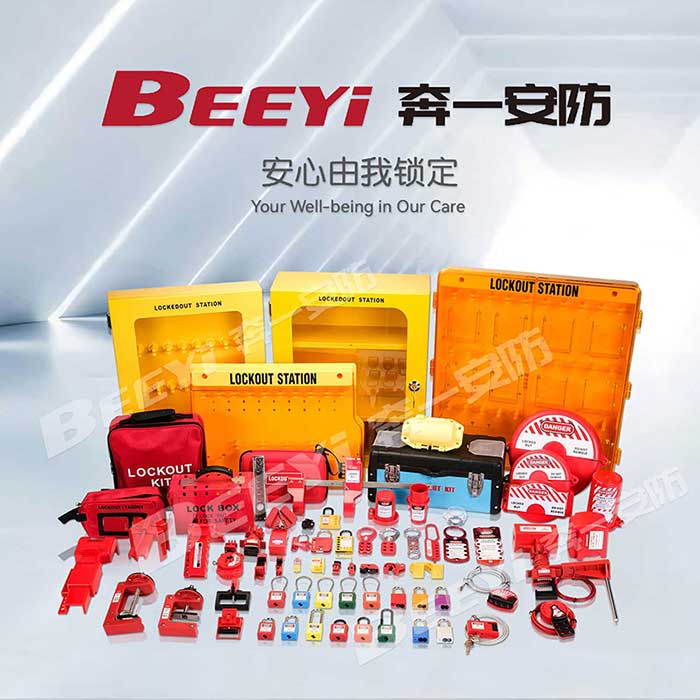
What is an Electrical Lockout? An electrical lockout device is a safety tool used to lock the energy source of electrical equipment. These devices are typically used during maintenance or servicing operations to ensure that the equipment remains in a safe, de-energized state. Electrical lockouts can come in various forms, such as lockout hasps, padlocks, and circuit breaker lockouts, all designed to physically prevent access to electrical controls while repairs or maintenance are ongoing. The use of lockout/tagout (LOTO) devices is mandated by safety regulations in many countries. For example, in the United States, the Occupational Safety and Health Administration (OSHA) requires that employers implement LOTO procedures to protect workers from hazardous energy during maintenance activities. High-quality lockout devices are designed to meet these stringent requirements while offering ease of use and long-term durability.