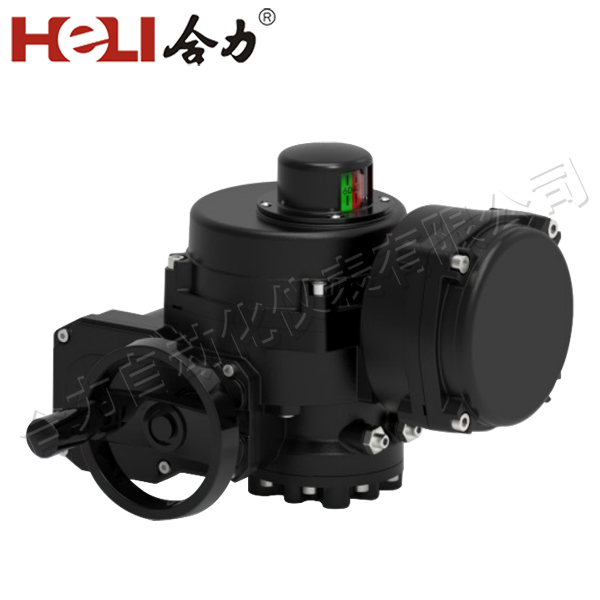
Hydrogen energy is becoming one of the most promising sources of clean energy in the modern world. As global concerns regarding environmental sustainability, pollution, and energy efficiency rise, hydrogen stands out due to its high energy content and its potential for producing zero emissions. One of the emerging applications of hydrogen technology is the development of hydrogen energy electric actuators, which hold the promise of transforming various industries by integrating hydrogen power into automation systems. In this article, we explore the concept of hydrogen energy electric actuators, their potential benefits, and their impact on industries seeking more sustainable and efficient solutions.
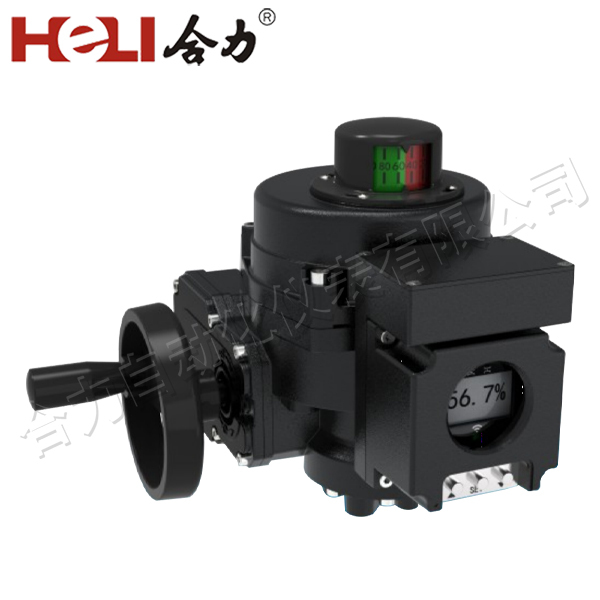
Understanding Hydrogen Energy Electric Actuators
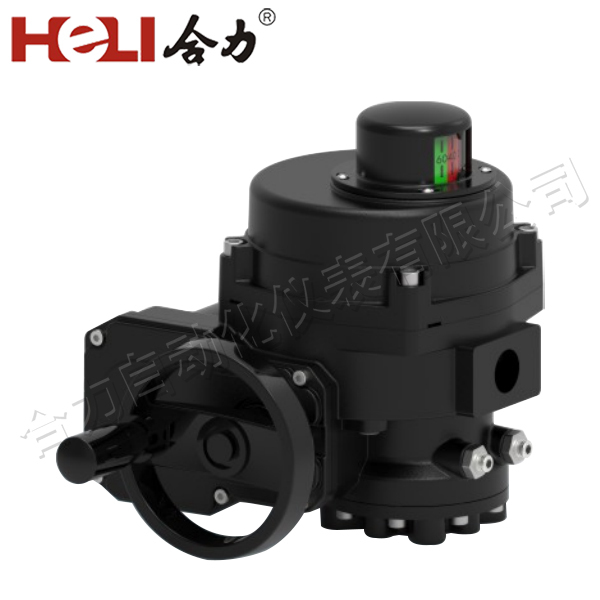
An electric actuator is a device that converts electrical energy into mechanical motion. Traditionally, electric actuators are powered by batteries or electric power systems that rely on fossil fuels or grid electricity. However, hydrogen energy electric actuators are powered by hydrogen fuel cells that generate electricity through a chemical reaction between hydrogen and oxygen, with water as the only byproduct. This innovation allows electric actuators to run on a renewable, clean energy source that produces minimal environmental impact compared to conventional electric actuators. Hydrogen energy electric actuators are part of the broader movement towards integrating hydrogen-based energy solutions in industries that rely heavily on automation. These actuators, powered by hydrogen fuel cells, offer a more sustainable option for industries seeking to reduce their carbon footprints. Their applications range from robotics and automotive manufacturing to aerospace, transportation, and industrial automation systems.