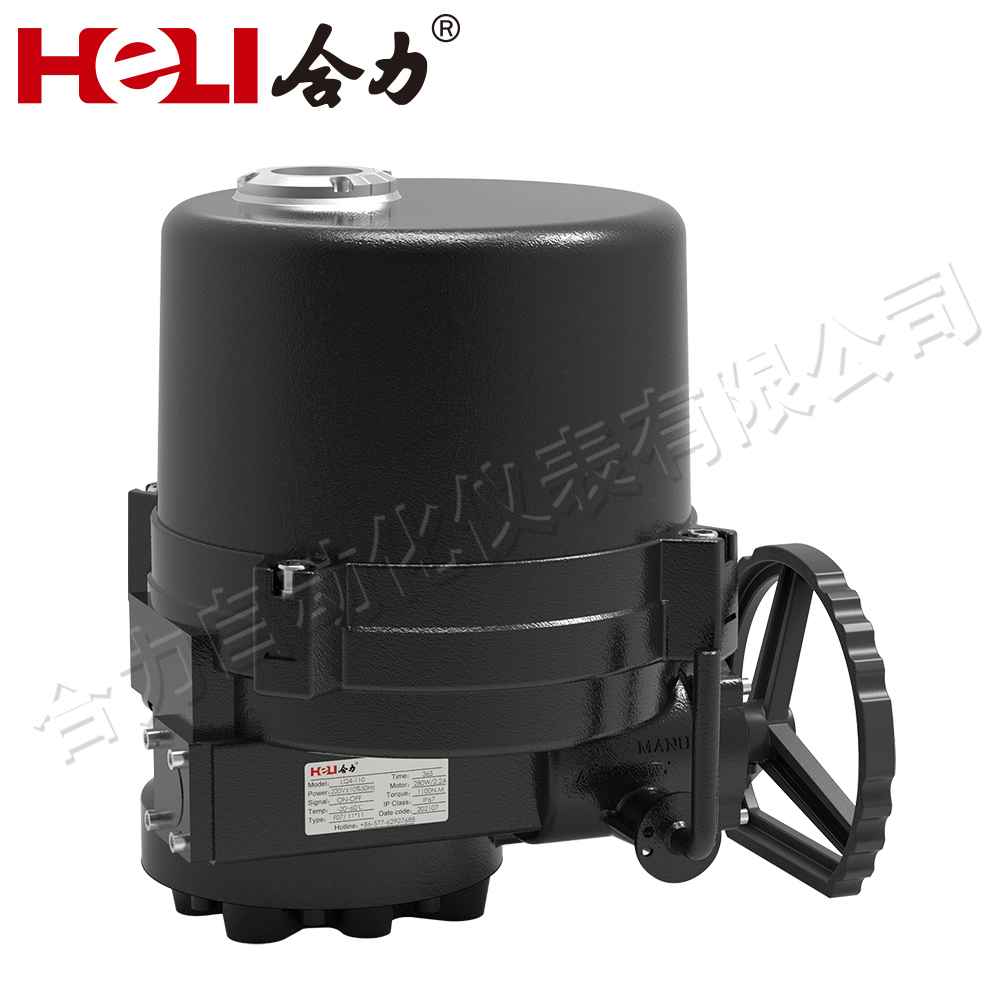
In the quest for sustainable energy solutions, hydrogen energy has emerged as one of the most promising alternatives to traditional fossil fuels. Its potential to provide clean, efficient power while reducing carbon emissions is driving innovation across various industries. Among the numerous advancements in this field, the hydrogen energy waterproof electric actuator stands out as a critical component in making hydrogen-powered systems more reliable and practical for everyday use. This article explores the importance of these actuators, how they work, and their application in the future of renewable energy systems.
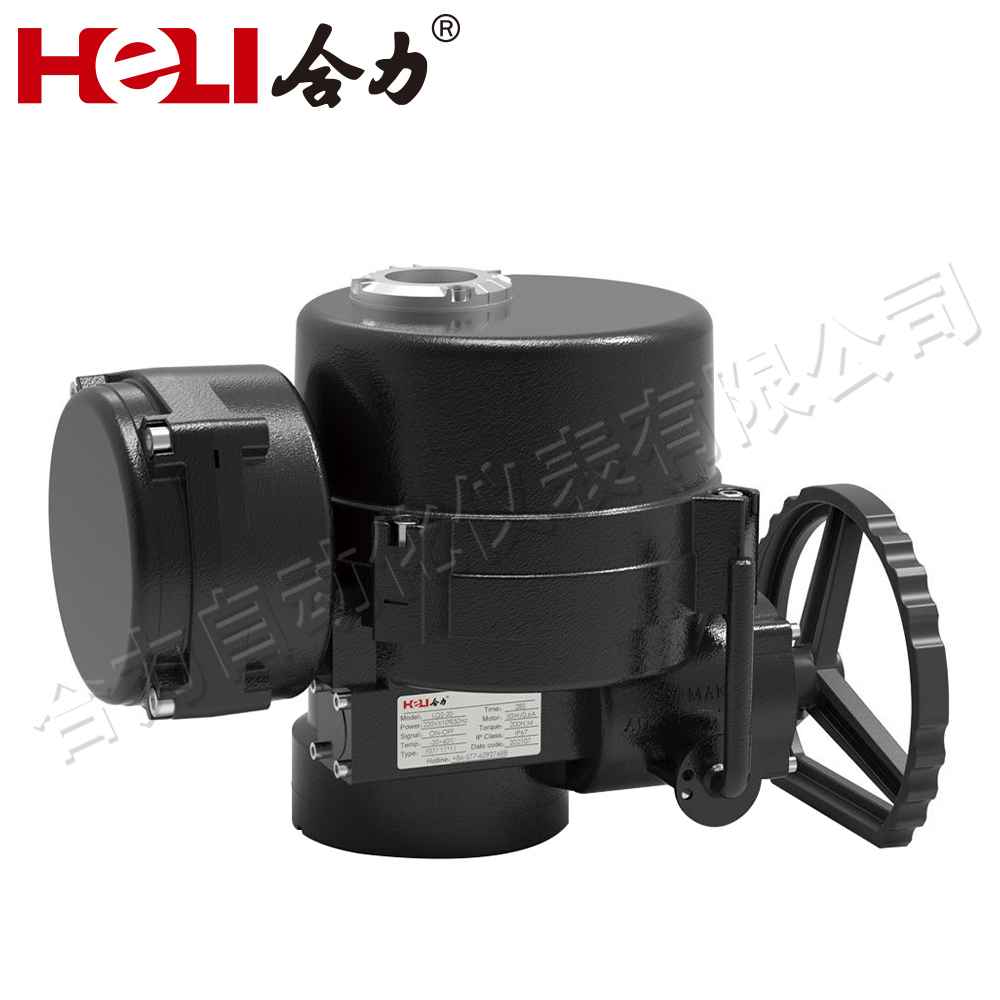
Understanding the Hydrogen Energy Waterproof Electric Actuator
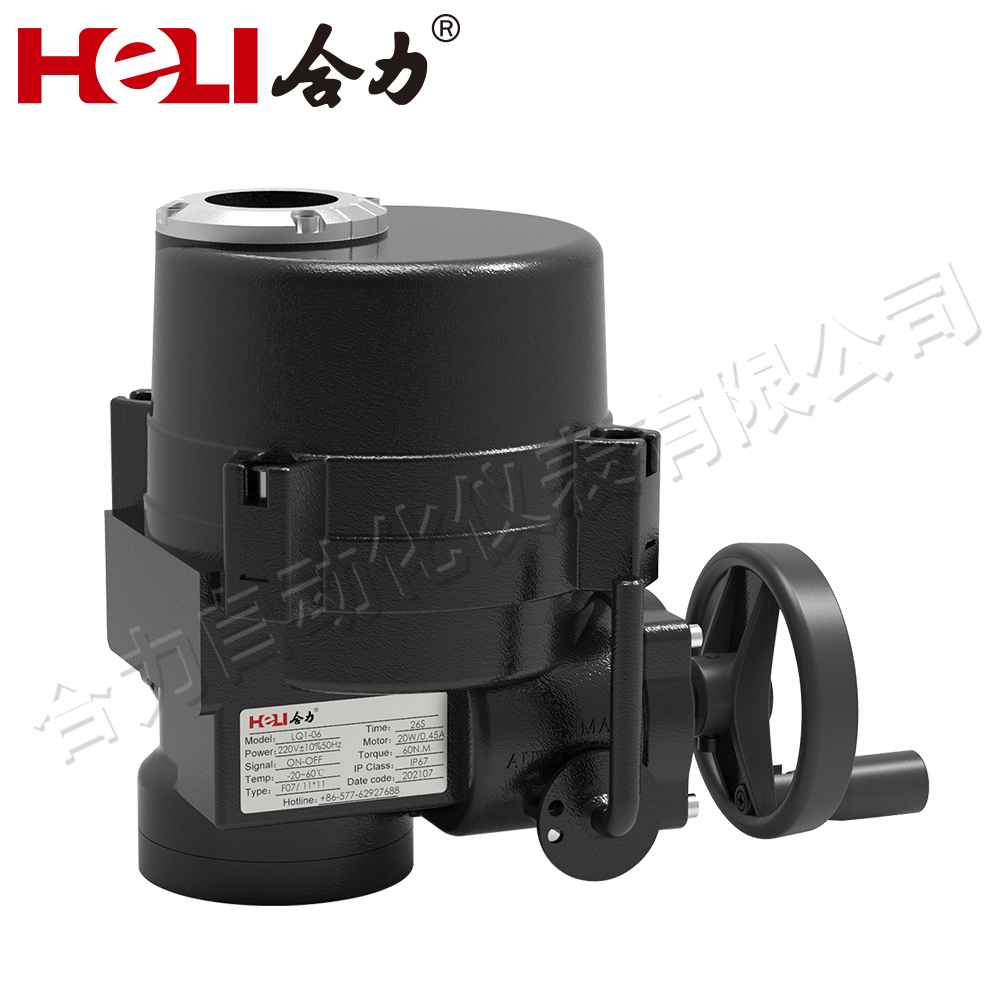
An electric actuator is a device that converts electrical energy into mechanical motion, often used to control various systems in industries ranging from automotive to robotics. When we add the element of hydrogen energy, the actuator becomes a part of a larger, more sustainable energy framework. These actuators are designed to work seamlessly with hydrogen-powered systems, such as hydrogen fuel cells or hydrogen storage tanks, to regulate valves, switches, and other mechanical components that need precise control. What sets the hydrogen energy waterproof electric actuator apart is its ability to operate in environments where exposure to water, humidity, or harsh weather conditions is a concern. As the name suggests, these actuators are built with waterproof features, ensuring reliable performance even in challenging conditions. This characteristic makes them ideal for outdoor applications, such as in offshore hydrogen storage, maritime fuel cells, and other areas where water resistance is critical.