Industrial relays play a vital role in controlling and protecting electrical circuits in various industrial applications. These devices act as switches that open or close circuits under specific conditions, making them essential components in automation, power distribution, and protection systems. To ensure the proper functioning and safety of industrial relays, the IEEE (Institute of Electrical and Electronics Engineers) has developed a series of standards that define performance criteria, testing methods, and safety requirements. In this article, we will explore the significance of IEEE standards for industrial relays, focusing on their role in ensuring reliability, performance, and compatibility in industrial settings.
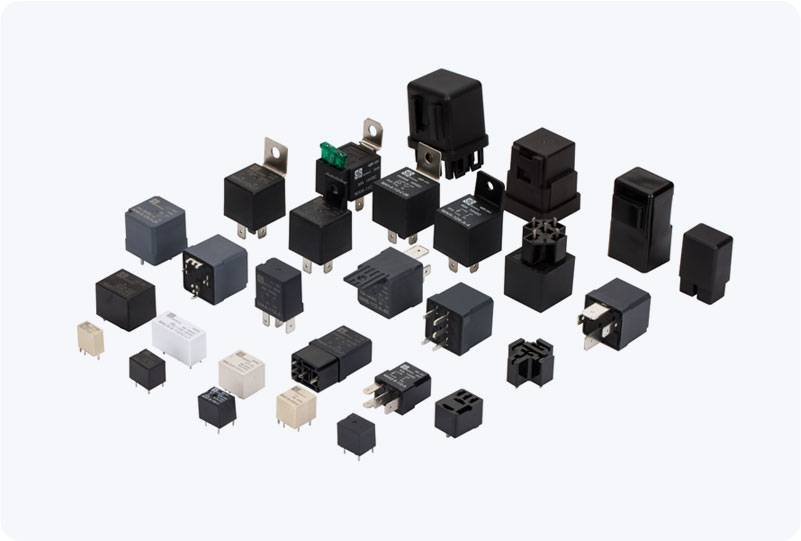
IEEE Standards for Industrial Relays: An Overview The IEEE standards for industrial relays encompass a wide range of guidelines and specifications aimed at ensuring the reliability and safety of these devices. These standards define various aspects, such as electrical and mechanical performance, environmental adaptability, and testing protocols. IEEE standards help manufacturers, engineers, and end-users select the right relays for specific applications and ensure that the devices meet the necessary performance and safety requirements. Some of the key IEEE standards related to industrial relays include: