Industrial Electrical Equipment Lockouts (LOTO) are vital safety practices implemented in various industries to prevent accidents, injuries, and fatalities caused by unexpected equipment start-ups during maintenance or repair. This procedure involves locking out or tagging out electrical systems to isolate energy sources, thereby ensuring that workers are protected from electrical hazards. In this article, we will explore the significance of LOTO, the different types of lockout methods, and the best practices for implementing this procedure effectively.
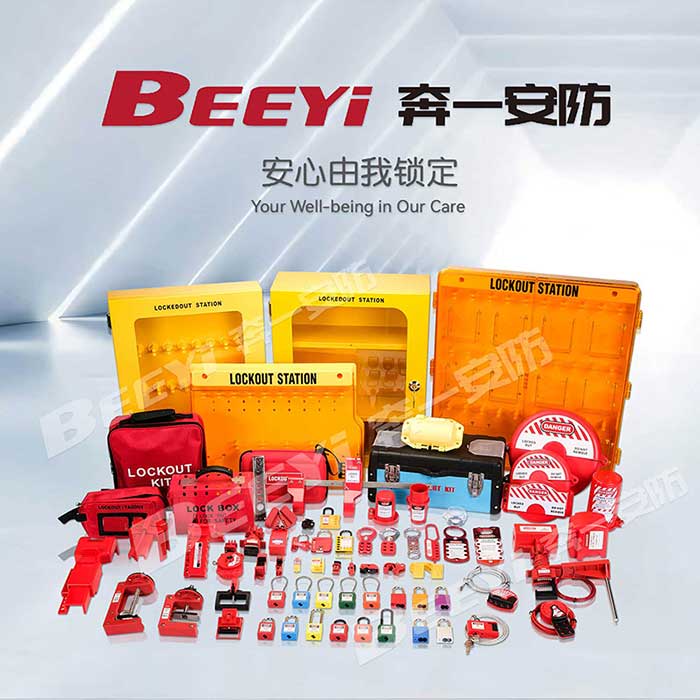
The Importance of Industrial Electrical Equipment Lockouts The purpose of Lockout/Tagout is to protect workers from the dangers associated with industrial machinery and electrical equipment. In an industrial setting, equipment often involves dangerous sources of energy, including electrical, mechanical, hydraulic, pneumatic, and thermal energy. If this energy is not properly isolated during maintenance, it can lead to serious injuries such as electrical shocks, burns, and even fatalities. Electrical equipment, in particular, poses significant risks. High-voltage electrical systems can easily lead to electrocution if not properly shut down before maintenance. Electrical circuits that are not locked out can be inadvertently re-energized, leading to hazardous conditions for maintenance workers.